
Voice cloning platforms have shifted from innovation playgrounds to liability minefields, forcing major distributors to choose legal safety over creator freedom. Spotify’s recent ban on AI-generated voice content marks the moment when platform risk management overtook technological possibility.
The timing isn’t coincidental. Three major voice cloning lawsuits landed in federal court within eight weeks, and Spotify’s legal team finally had enough data to calculate the real cost of hosting synthetic voices.
Why Spotify’s ban happened now: The liability math finally shifted
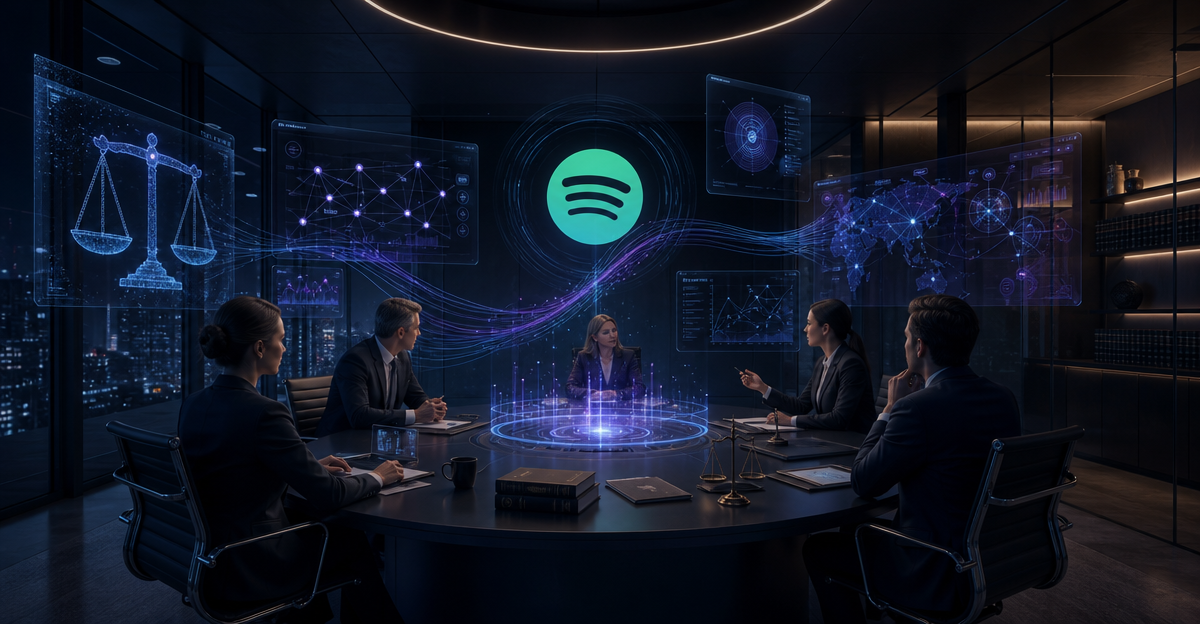
Spotify didn’t ban voice cloning because of ethics complaints or creator backlash. The platform ran the numbers on potential legal exposure and decided synthetic voices cost more than they generate in engagement.
The trigger was a cluster of high-profile cases where voice cloning companies faced lawsuits exceeding their entire annual revenue. When platforms host that content, they become secondary targets for litigation.
Platform liability insurance costs have tripled in six months specifically for AI-generated audio content.
Spotify’s content policy team spent four months reviewing every voice cloning detection tool available. They concluded that reliable detection remains impossible at scale, making selective enforcement a legal nightmare.
Which voice cloning use cases are actually dead vs. still viable
Celebrity voice cloning died first and fastest. Any synthetic content mimicking recognizable public figures now triggers immediate takedown requests across all major platforms.
Corporate narrator cloning for internal training content remains viable because it involves owned voices with explicit consent documentation. Companies that clone their own employees’ voices for educational content face minimal legal risk.
Deceased person voice recreation sits in legal limbo. Estate permissions vary wildly by jurisdiction, making platform-wide policies nearly impossible to enforce consistently.
Anonymous synthetic voices generated without mimicking real people represent the safest category. These AI voices don’t clone existing speakers, so they avoid most identity-based legal issues.
How other platforms will copy Spotify’s playbook by summer
Apple Podcasts policy teams have been monitoring Spotify’s rollout since the announcement. Industry sources expect Apple to implement similar restrictions within twelve weeks.
YouTube already restricts voice cloning in monetized content through creator program guidelines. The platform will likely expand these rules to all uploaded audio content by July.
Audible faces the highest pressure because audiobook narration represents voice cloning’s most commercially viable use case. The platform must balance narrator union concerns against publisher demands for cost reduction through AI voices.
SiriusXM and other traditional radio platforms will follow quickly because their advertising revenue depends on advertiser confidence in content authenticity.
What podcast producers should do with existing cloned content
Download and archive all voice-cloned episodes immediately. Platform purges typically happen without advance warning, and recovering deleted content proves nearly impossible.
Review consent documentation for any cloned voices in your content library. Episodes with written permission from the original speaker have better chances of surviving policy changes.
Tag and categorize synthetic voice content separately from human-narrated episodes. This preparation simplifies compliance when platforms require disclosure or removal of AI-generated audio.
Consider re-recording critical episodes using human voices before platform crackdowns spread. Voice actors cost more than AI tools, but they eliminate legal risk entirely.
The three voice AI strategies that survive platform crackdowns
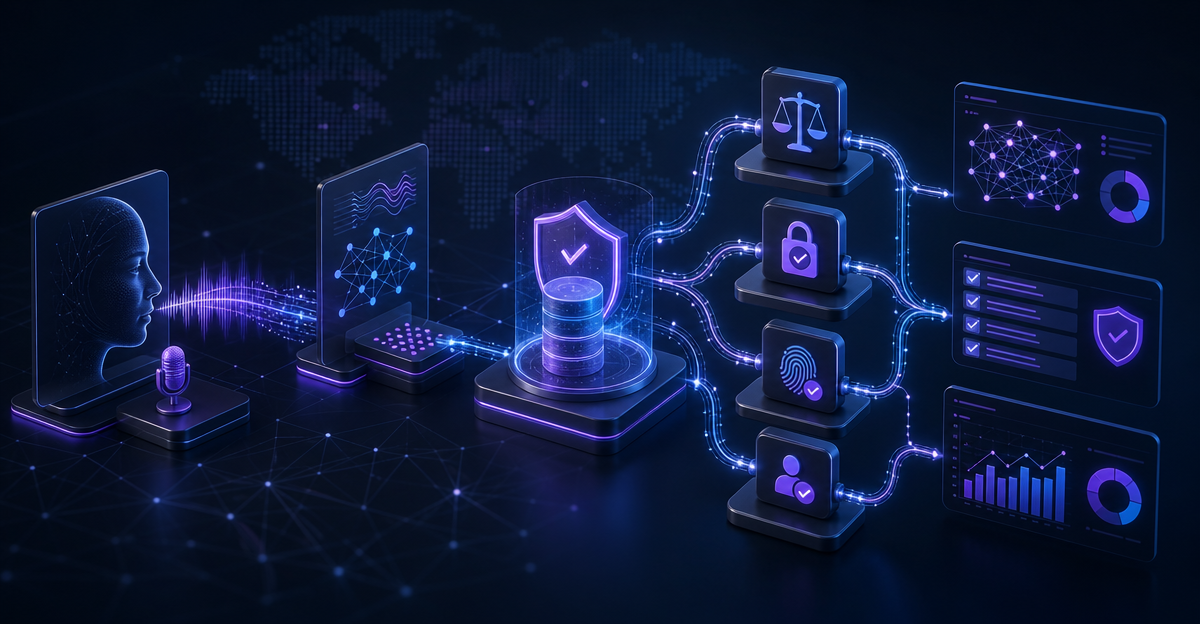
Voice enhancement tools that modify existing human recordings rather than replacing them completely avoid most platform restrictions. These tools adjust tone, pace, and clarity without generating synthetic speech.
Original synthetic voices created without mimicking real people offer the safest path forward. Services like speech synthesis platforms that generate unique AI voices face minimal legal challenges because they don’t copy existing speakers.
Hybrid workflows combining human narration with AI editing provide the best balance of efficiency and compliance. Producers can use AI to clean audio, adjust timing, and remove filler words while maintaining human authenticity.
The voice cloning gold rush ended when platforms decided synthetic speech wasn’t worth the legal headaches. Smart producers will focus on AI audio tools that enhance rather than replace human voices.