
Spotify’s Ban Signals a Broader Platform Revolt Against Voice AI
Voice cloning technology just lost its biggest stage as major platforms quietly update their terms of service to block AI-generated voice content. Spotify’s recent policy changes mark the beginning of what will become a coordinated crackdown across distribution platforms, leaving creators who built their workflows around voice cloning tools scrambling for alternatives.
The ban isn’t happening in isolation. YouTube has been flagging AI voice content more aggressively since October, and Apple Podcasts updated their content guidelines to require disclosure of synthetic voice usage.
Podcasters who spent months perfecting their voice cloning workflows are about to discover that platform dependency comes with an expiration date that nobody advertised.
Why Voice Clones Became Toxic to Platform Business Models Overnight
The shift against voice cloning isn’t driven by ethics or quality concerns. Platforms are protecting themselves from liability that could cost millions in legal disputes over voice rights and impersonation claims.
Voice cloning creates legal gray areas that platforms can’t afford to navigate when celebrity estates and public figures start filing lawsuits.
Insurance companies have made it clear to platform executives that synthetic voice content represents an unquantifiable risk. When Spotify pays podcasters through their partner program, they become liable for content that could violate personality rights laws across different jurisdictions.
The business math is simple: voice cloning features generate minimal platform revenue while creating maximum legal exposure. Legal experts have warned platforms about the complexity of AI-generated content liability since early 2023.
The Tools That Survived vs. The Features That Disappeared
ElevenLabs removed their voice cloning marketplace in September but kept their custom voice training for verified accounts. Murf eliminated celebrity voice options but maintained their original voice synthesis capabilities.
The pattern is clear: tools that create obvious impersonations get cut first, while generic AI voice generation survives with restrictions. Descript’s Overdub feature now requires extensive verification before activation.
Resemble AI pivoted entirely to enterprise clients after consumer platforms started rejecting their API integration. The companies that built their entire value proposition around celebrity voice cloning are either dead or desperately rebranding.
What Creators Actually Lose When Voice Cloning Gets Banned
Podcasters using voice cloning for intro segments, advertisement reads, or multilingual content distribution are losing more than a convenient feature. They’re losing entire content strategies that took months to develop and optimize.
The immediate impact hits creators who clone their own voices to speed up production workflows. Recording a single voice session and generating content in multiple languages becomes impossible when platforms ban the output.
Revenue projections collapse when your automated content pipeline gets blocked at the distribution level. Creators who built subscription models around AI-generated voice content have approximately 60 days before platform enforcement becomes consistent enough to kill their reach.
The Backup Plan: Voice Workflows That Don’t Depend on Platforms
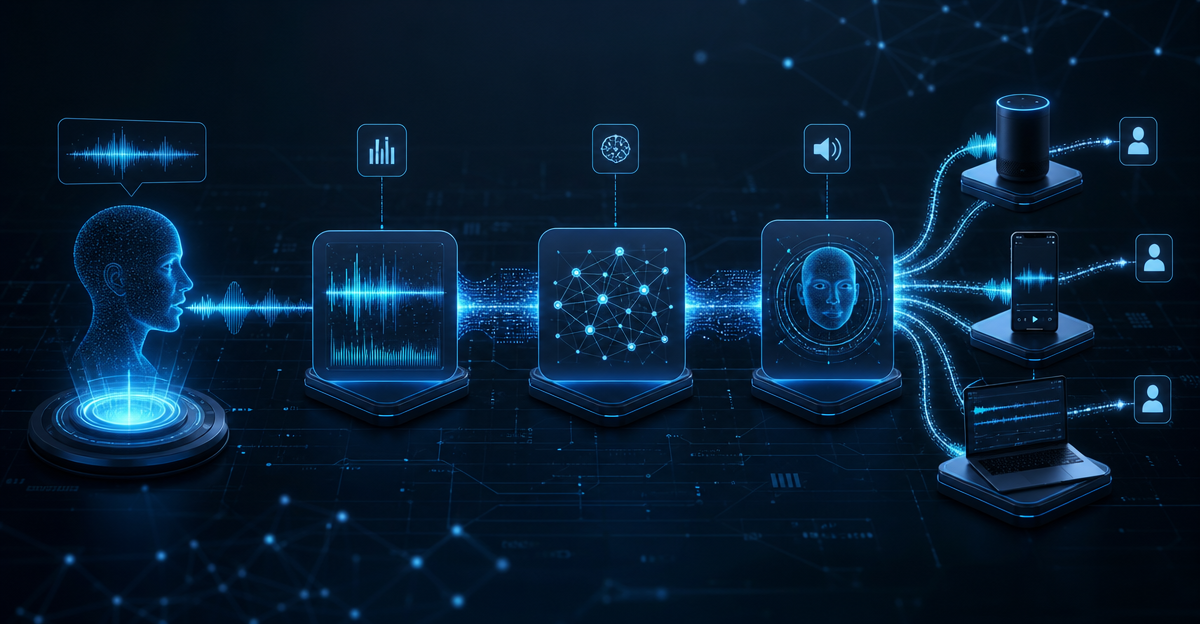
Smart creators are moving voice cloning workflows off platform-dependent distribution channels. Direct RSS feeds, private podcast networks, and email-delivered audio content bypass platform restrictions entirely.
The solution isn’t finding different voice cloning tools. The solution is building content distribution that doesn’t require platform approval for synthetic voice usage.
Self-hosted solutions like Podcast Motor or Transistor allow creators to maintain voice cloning workflows while controlling their own distribution pipeline. Building platform-independent automation becomes essential when features can disappear overnight.
Focus on voice cloning tools that operate through API rather than platform integration. Speechify’s API, Azure Cognitive Services, and Amazon Polly won’t disappear when Spotify changes their content policies.
The creators who survive this transition are the ones who never built their entire strategy around platform-dependent features. Voice cloning still works perfectly well when you control the distribution.