
Voice cloning costs independent podcasters something far more expensive than a subscription fee — it costs them the one asset that no algorithm can replicate: the earned trust of an audience that chose a human voice over thousands of alternatives.
Voice cloning for podcasters is being sold as a production efficiency. What it actually is, is a bet that your audience will never notice — or never care — and that bet has a poor track record once you move past the demo stage.
Spotify’s cloning ban is not a policy overreaction — it reflects a structural threat platforms already see coming
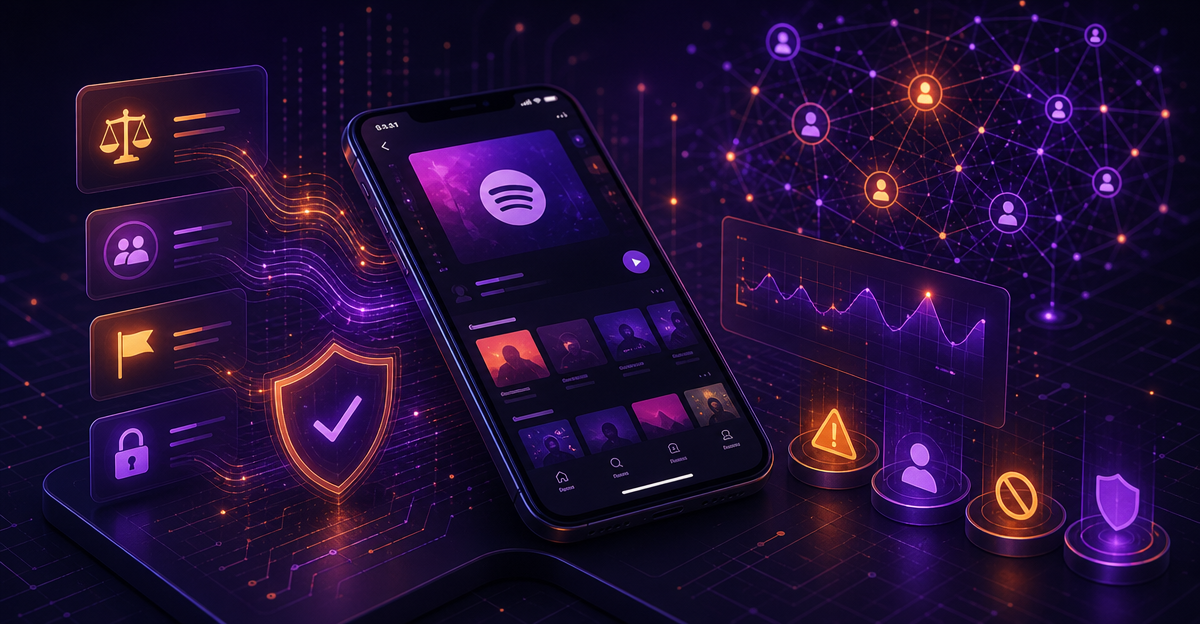
The belief here is that Spotify’s restrictions on AI-generated audio are a defensive, reactionary move driven by label lobbying rather than any real audience harm. That framing lets podcasters dismiss the policy as irrelevant to their situation. It is not.
Spotify has direct visibility into listener retention data that no independent podcaster can access at scale. When a platform with that much behavioral data moves to restrict a content format, it is responding to signals in that data — not to abstract ethical concerns. The Spotify Newsroom has been explicit that AI voice content creates disclosure and authenticity problems the platform is not willing to absorb on behalf of creators.
What platforms are actually protecting is their recommendation engine’s credibility. If synthetic audio degrades completion rates and return listeners — which behavioral patterns across creator communities consistently suggest it does — the platform’s core product gets worse. The ban is a structural defense, not a moral stance. That distinction matters because it tells you what is coming next: stricter enforcement, not looser.
The use case most podcasters cite for voice cloning falls apart under three months of real use
The argument goes like this: voice cloning lets you fill gaps when you cannot record, maintain publishing cadence during travel, and scale output without scaling hours. It sounds airtight in a product demo. It starts breaking down the moment you try to use it consistently.
The specific failure point is not audio quality — modern voice cloning tools have made real progress there. The failure point is content. A cloned voice still needs a script, and that script still needs to sound like you thought it, not like it was assembled to fill a slot. Freelancers and independent podcasters who have integrated voice cloning into production workflows consistently report that the editing burden on the script side grows significantly to compensate for what the voice cannot carry emotionally.
Three months in, the workflow typically looks like this: more scripting time, more editing passes, more anxiety about audience perception, and the same publishing pressure that prompted the tool adoption in the first place. The bottleneck was never the recording. It was the thinking behind the recording — and voice cloning for podcasters does not touch that problem at all.
What you actually lose when your audience suspects the voice is synthetic, even if they cannot prove it
Audiences do not need to run a technical analysis to feel something is off. The uncanny valley effect in audio is subtler than in video, but it functions the same way — something slightly wrong in cadence or breath pattern registers as discomfort before the listener can name it. That discomfort attaches to the show, not to the technology.
The trust damage from voice cloning is not recoverable by disclosing it later, because the disclosure retroactively changes how the audience interprets everything they thought was authentic.
This is the structural problem that no voice cloning tool can fix post-launch. A two-year audience relationship is built on the assumption that the voice they followed is the voice making decisions about what to say. The moment that assumption becomes uncertain — even without proof — the parasocial contract weakens. Smaller shows with tighter community bonds feel this faster and harder than large-audience productions.
The tools that genuinely solve podcasting bottlenecks are not voice tools at all
The actual bottlenecks for an independent podcaster with two to three years of audience growth are almost never recording gaps. They are episode ideation running dry, show notes and transcript production consuming hours, and guest coordination eating scheduling bandwidth. None of those require a cloned voice to solve.
Tools like Descript handle transcript-based editing and clip creation in a fraction of the manual time. Notion AI or a comparable writing assistant can generate structured episode outlines from rough notes in minutes. For guest coordination and pre-interview research, tools like Castmagic or even a well-prompted general AI assistant dramatically compress the pre-production phase. If you want a deeper look at where AI actually fits in a creator’s production stack without replacing what makes the work credible, the breakdown of AI automation tools that save real time covers the specific workflow integrations worth considering.
The pattern across independent podcast communities is consistent: the creators who have the most sustainable output are not adding voice tools — they are removing friction from the thinking and organizing stages, then recording more efficiently as a result.
If you are still considering it, here is the one narrow scenario where it is defensible
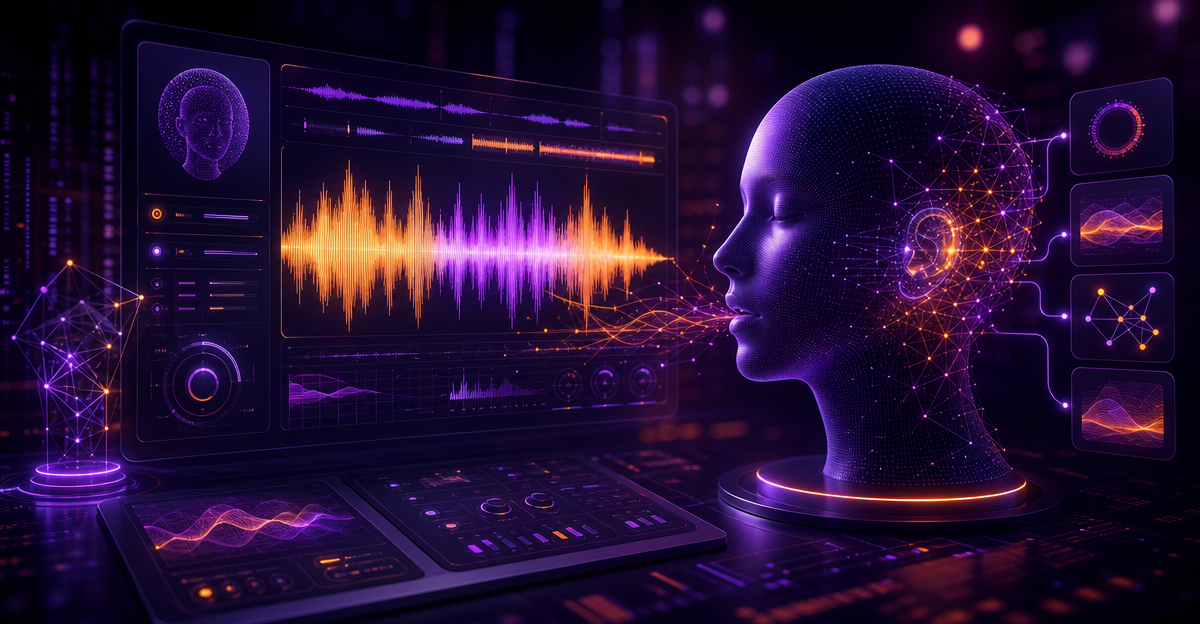
There is exactly one use case where voice cloning for podcasters holds up to scrutiny: archival or accessibility work where the creator is using their own cloned voice to produce transcribed content in formats that cannot be recorded live, and where full disclosure is built into the format itself. A bonus written episode narrated by a cloned voice, clearly labeled as such, for an audience that has opted into that format — that is a defensible boundary.
What is not defensible is using it to maintain the fiction of a live recording cadence you cannot actually sustain. That is not a production tool. That is audience deception with a monthly subscription.
If your publishing schedule is breaking down, the honest fix is a shorter episode, a rerun with updated context, or a transparent schedule change. Those choices build more audience goodwill than synthetic consistency ever will — and they do not put two years of trust on the table as collateral.