
Can an algorithm detect your sleep patterns better than you can sense your own fatigue?
Sleep Detective and similar AI monitoring tools promise to solve the mystery of your restless nights by watching everything you can’t. They track your breathing, monitor room temperature, analyze movement patterns, and correlate dozens of variables you’d never think to notice. The appeal is obvious for freelancers burning out on irregular schedules.
But teaching machines to notice what we’ve stopped observing about ourselves raises an uncomfortable question: are we solving sleep problems or creating awareness problems?
Why We’re Teaching AI to Notice What We Can’t

We’ve handed our most basic biological awareness to algorithms because noticing became work. Tracking when you feel tired, what environments help you rest, or how your energy shifts throughout the day requires attention that feels inefficient. AI monitoring eliminates that cognitive load.
Sleep Detective doesn’t just track sleep duration like older fitness trackers. It correlates your sleep quality with room humidity, outside noise levels, screen time before bed, and even your work calendar. The algorithm identifies patterns across weeks of data that would take months for a human to consciously recognize.
The trade-off is that we’re training AI to develop observational skills we’re simultaneously losing ourselves.
This creates a dependency loop that feels helpful in the short term but concerning in the long run. When your sleep app knows you sleep poorly after client calls that run past 8 PM, you’re relying on external intelligence to understand your own behavioral patterns. The insight is valuable, but the process of discovery gets outsourced entirely.
The Creepy Comfort of Being Constantly Monitored
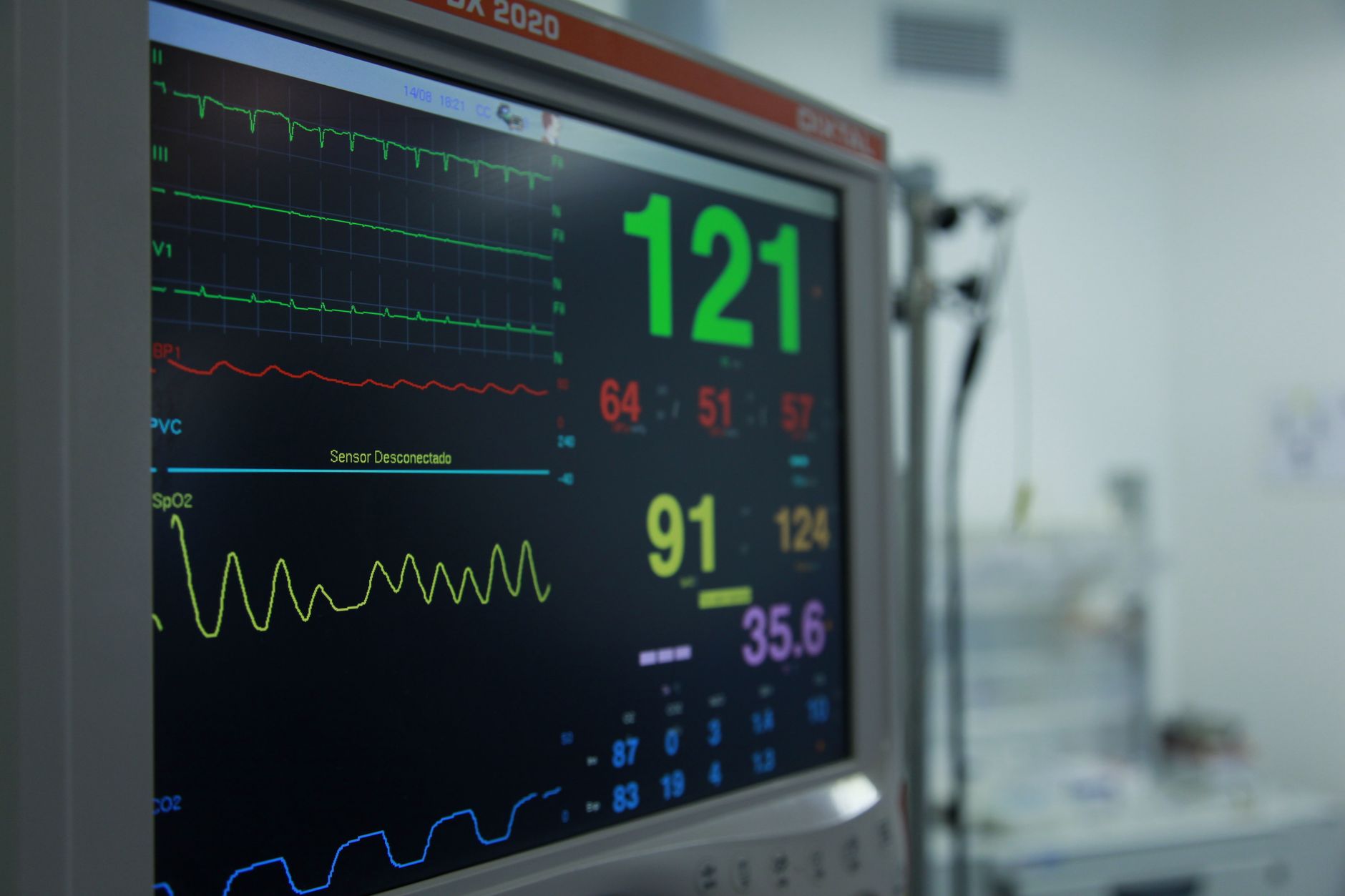
There’s something oddly soothing about having an AI system that never stops watching your vital signs. Sleep Detective’s continuous monitoring creates a sense that someone—or something—is always paying attention to your wellbeing, even when you’re unconscious.
This comfort comes with a psychological cost that most users don’t anticipate. Constant monitoring subtly shifts your relationship with your own body from internal awareness to external validation. Instead of asking yourself how you feel, you check what the AI detected about how you should feel.
The creepiness factor hits when you realize how intimate this data collection becomes. Sleep Detective knows when you toss and turn, when your breathing becomes irregular, when you get up to use the bathroom. It builds a detailed map of your most vulnerable hours that you’ll never see yourself.
Privacy settings offer some control, but the fundamental transaction remains unchanged: comprehensive personal monitoring in exchange for algorithmic insights. The comfort of being watched becomes harder to give up once you’re accustomed to it.
What Happens When AI Knows Your Body Better Than You Do

Three months into using Sleep Detective, many users report a strange phenomenon: they trust the algorithm’s assessment of their sleep quality more than their own physical sensations. The app’s detailed analysis feels more authoritative than subjective experience.
This creates scenarios where you wake up feeling rested, but Sleep Detective reports poor sleep quality based on movement and heart rate data. Users increasingly defer to the AI’s judgment, questioning their own bodily awareness. The algorithm becomes the authority on how you actually feel.
The implications extend beyond sleep tracking. When AI systems become more trusted than personal physical awareness, we lose the ability to make real-time adjustments based on how we actually feel. You might push through a productive morning because Sleep Detective says you’re tired, or take a rest day when you feel energetic because the data suggests fatigue.
The skill of interpreting your own body’s signals atrophies when it’s not regularly practiced.
The Line Between Helpful and Invasive Is Thinner Than You Think

Sleep Detective feels helpful when it identifies that your bedroom is too warm for quality rest. It crosses into invasive territory when it starts correlating your sleep patterns with your work productivity, relationship status, or health predictions you didn’t ask for.
The boundary between assistance and surveillance shifts based on how the data gets used. Current privacy policies allow sleep data to be aggregated for research purposes, shared with healthcare providers if connected, and potentially accessed by insurance companies for wellness programs. What starts as personal insight becomes institutional intelligence.
Most users don’t realize how comprehensive the data profile becomes. Sleep Detective doesn’t just know when you sleep poorly—it knows your daily routines, travel patterns, stress cycles, and behavioral triggers. This information has obvious commercial value that extends far beyond sleep optimization.
The line becomes harder to identify when the monitoring feels genuinely helpful in the moment but contributes to broader patterns of surveillance and data collection you can’t control.
Building Human Awareness in an AI-First World

The alternative to AI monitoring isn’t going back to guessing about sleep quality—it’s developing intentional awareness practices that keep human observation skills sharp. This means occasionally tracking your own patterns before checking what the algorithm detected.
Practical human awareness looks like spending two weeks noting how you feel each morning before looking at sleep data. Or identifying which environmental factors affect your rest through conscious attention rather than algorithmic correlation. The goal isn’t to reject AI insights, but to maintain independent observational capabilities.
Some Sleep Detective users have found value in periodic “digital detox” weeks where they rely on subjective assessment instead of automated tracking. These breaks help recalibrate personal awareness and reduce dependency on external validation for basic biological functions.
The most sustainable approach treats AI monitoring as supplementary intelligence rather than replacement intelligence. Use algorithmic insights to confirm or challenge your own observations, but don’t let them substitute for developing better personal awareness of your own patterns and needs.