
Claude Pro subscribers are discovering their project files become completely inaccessible the moment they downgrade, creating an immediate workflow crisis that other AI tools don’t impose. This isn’t just feature limitation—it’s holding your work hostage behind a paywall.
The pattern emerged clearly in December when freelancers who upgraded for holiday projects tried to step back down to save costs. Unlike losing premium features, losing access to your actual work creates vendor lock-in that forces permanent subscriptions.
What Actually Happens When You Downgrade Claude Pro

Your Claude Projects become view-only immediately after downgrade. You can see the conversation titles but cannot open, copy, or export any content from those projects.
The regular Claude interface remains functional, but every project you built while subscribed stays locked. This includes prompts, conversation history, uploaded documents, and any work output generated within those project containers.
Free tier users cannot create new projects or access any previously created project content, regardless of how much original work they contributed.
Why Project Lock-In Is Different From Other Tool Limitations

Most AI tools reduce functionality when you downgrade—slower responses, fewer monthly queries, or limited model access. Claude’s approach locks away your actual work product and input.
ChatGPT Plus subscribers who downgrade still access their conversation history. Notion AI downgrades don’t prevent you from viewing pages you created. Claude’s project system creates a vault that requires ongoing payment to access.
This dependency model means you’re not just paying for compute or features—you’re paying ransom to access work you already created.
The Real Cost of Building Workflows Around Locked Features

Freelancers report building entire client systems around Claude Projects, storing custom prompts, client requirements, and refined approaches within project containers. The moment subscription lapses, these business-critical assets vanish from reach.
The problem compounds monthly. Each project becomes another lock requiring continued payment to maintain access. What starts as a temporary upgrade becomes a permanent subscription dependency with no exit strategy.
Teams who build knowledge bases in Claude Projects face the highest risk—institutional knowledge trapped behind individual subscription status.
Three Alternatives That Don’t Hold Your Work Hostage
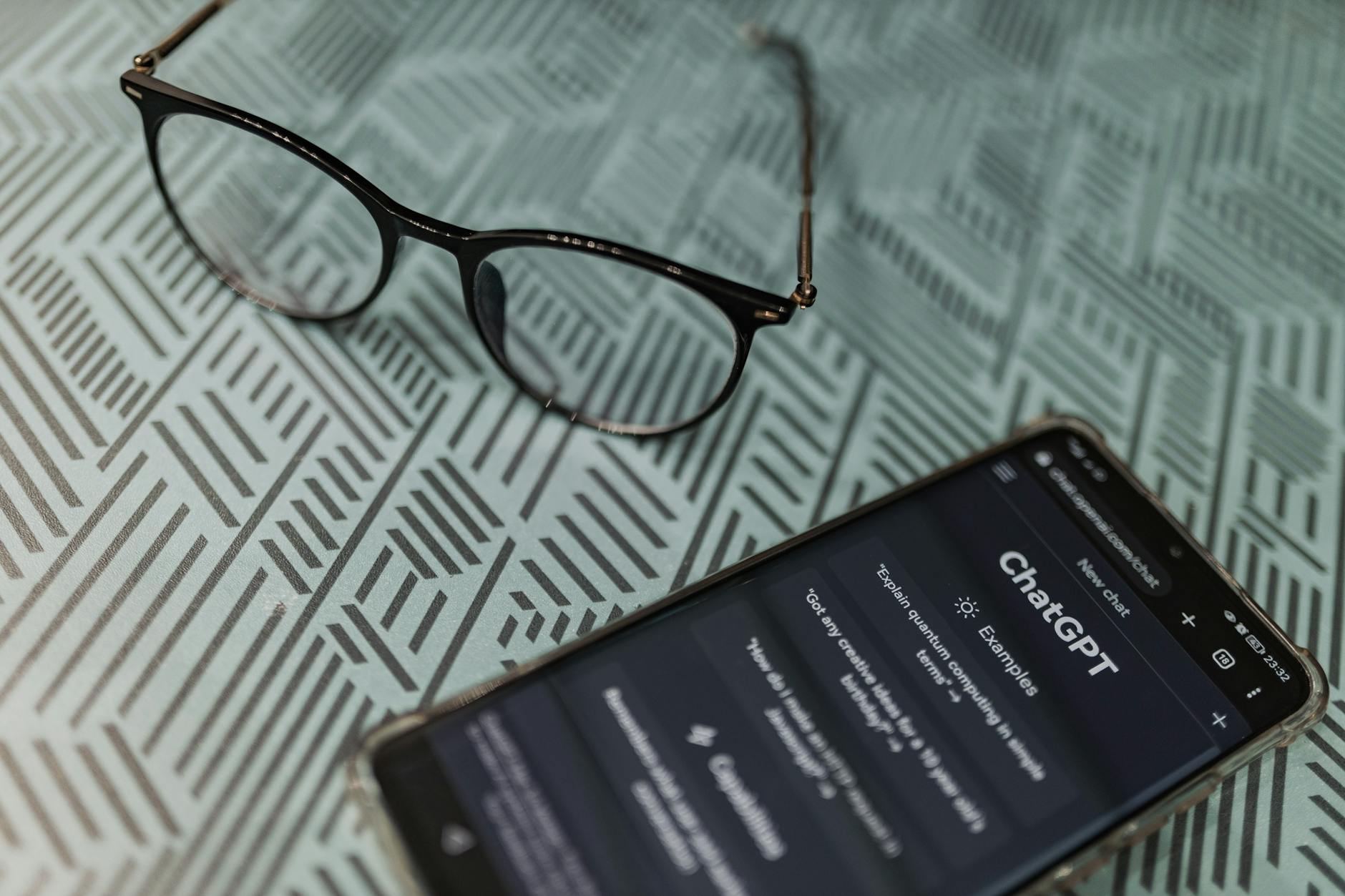
ChatGPT Plus maintains full conversation access for downgraded users. Custom GPTs remain functional, and conversation history stays available regardless of subscription status.
Perplexity Pro downgrades leave your search history and collections intact. You lose premium model access but retain everything you previously created or researched.
Open-source alternatives like Ollama store everything locally. Jan and LM Studio keep your conversations on your machine, making vendor lock-in impossible by design.
How to Extract Your Claude Projects Before You Downgrade
Claude provides no bulk export option, requiring manual extraction from each project individually. Open each project while subscribed and copy all relevant content to external storage.
Screenshot or copy custom prompts, system instructions, and any refined approaches you developed. These cannot be recovered after downgrade and represent your intellectual property investment.
Download any documents you uploaded to projects—these become inaccessible even though they originated from your files. The extraction process is tedious but necessary if you plan any subscription changes.
The vendor lock-in pattern will likely spread as AI companies seek recurring revenue. Claude’s project system shows how quickly premium features can become data prisons for professional users.