
Claude Code fails most developers because they treat it like an enhanced autocomplete when it actually works as a collaborative pair programmer that needs context before it can deliver useful output.
Three months of real project work revealed something the tutorials never mention: the tool’s strength isn’t writing code faster—it’s helping you think through architecture decisions and catch edge cases you missed. But only if you configure it completely differently than every guide suggests.
Most developers who tried Claude Code at launch walked away frustrated because they expected ChatGPT with better syntax highlighting. The reality is more nuanced and, frankly, more demanding of your setup time upfront.
Why the Standard Claude Code Setup Fails Most Users
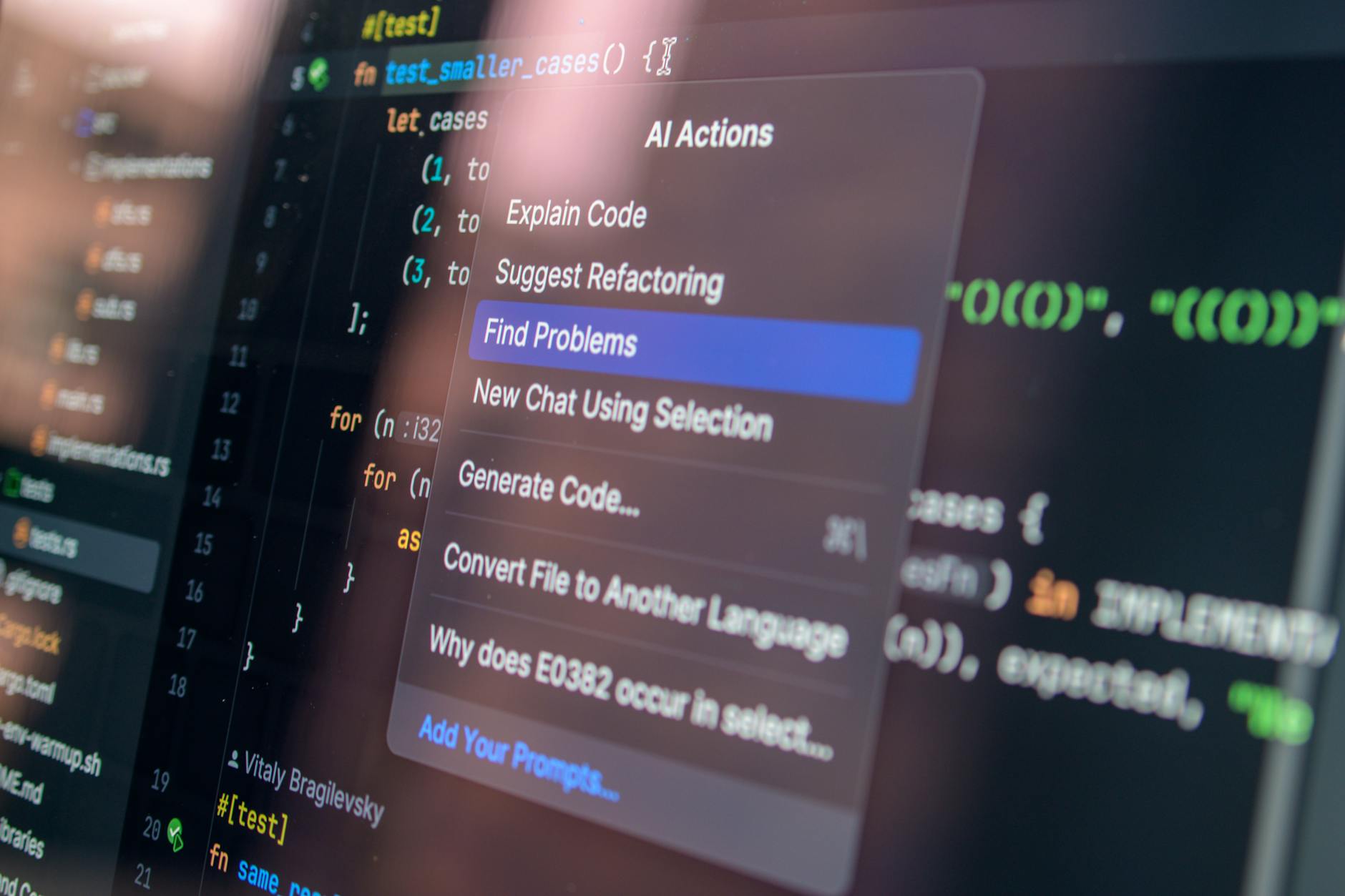
The default approach treats Claude Code like a smart search engine for code snippets. You paste a function, ask for improvements, get back something that compiles but doesn’t fit your codebase architecture. This pattern repeats until frustration wins.
The fundamental problem is context starvation. Claude Code needs to understand your project structure, naming conventions, and existing patterns before it can contribute meaningfully. The standard setup provides none of this information.
Most tutorials show you how to ask for a React component or a Python function in isolation. Real development work happens within existing systems with technical debt, specific frameworks, and team coding standards that generic examples ignore completely.
When developers hit the context window limits—which happens faster than expected on real projects—the tool starts hallucinating solutions that look correct but break integration points. The 90-day reality check shows this limitation surfaces in week two of actual use.
The Creator’s Method: How Anthropic Actually Intended It

Anthropic designed Claude Code to work with project context files that most users never create. The tool performs best when you provide it with your existing codebase patterns, API schemas, and coding standards documentation upfront.
The proper method requires creating what I call context primers—files that contain your project’s architectural decisions, naming conventions, and common patterns. Claude Code references these throughout the conversation, maintaining consistency with your existing code.
The tool works best when you spend 30 minutes setting up project context before writing a single line of code.
This means uploading your database schema, your existing API endpoints, your component library patterns, and your team’s style guide. Claude Code then suggests solutions that actually fit your architecture instead of generic implementations that require heavy modification.
The creator’s method also involves using Claude Code for code reviews rather than code generation. Point it at a pull request with context about your requirements, and it catches logical errors and suggests improvements that align with your existing patterns.
What Actually Works After 90 Days of Real Projects

Claude Code excels at three specific tasks that become clear only after extended use: architectural planning, debugging complex state issues, and refactoring legacy code with modern patterns.
For architectural planning, the tool helps you think through database design decisions and API structure before you write implementation code. Feed it your requirements and existing constraints, and it suggests approaches you might not have considered.
The debugging capability emerged as the strongest feature after three months. Claude Code can trace through complex state management issues and identify race conditions that are difficult to spot during development. It’s particularly effective with React hooks and asynchronous JavaScript patterns.
Refactoring legacy code showed the most practical value. The tool can suggest modern patterns for older codebases while maintaining backward compatibility. This works especially well for moving from class components to hooks or updating deprecated API calls.
What doesn’t work consistently: generating complete features from scratch, working with very new frameworks that weren’t in the training data, and handling code that requires domain-specific business logic that can’t be documented easily.
The Tools You Should Remove Before Adding Claude Code

Claude Code overlaps significantly with GitHub Copilot’s autocomplete function and makes most AI code snippet tools redundant. Running both creates competing suggestions that slow down your development flow.
Traditional code documentation tools become less necessary when Claude Code can explain complex functions and generate documentation from existing code. The tool handles inline comments and README updates more consistently than specialized documentation generators.
Most AI-powered debugging tools can be removed because Claude Code’s debugging capabilities are more comprehensive. It combines code analysis with architectural understanding that standalone debugging tools lack.
Browser-based code assistants and Chrome extensions for coding add noise when you’re already using Claude Code for the same functions. The cognitive overhead of managing multiple AI suggestions outweighs any individual tool benefits.
Who Should Use Claude Code (And Who Should Skip It)

Full-stack developers working on existing codebases get the most value from Claude Code. The tool’s strength lies in understanding existing patterns and suggesting consistent implementations within established architectures.
Technical freelancers who work across multiple client codebases should use Claude Code for the context-switching efficiency. The tool helps you quickly understand unfamiliar codebases and maintain consistency with each client’s patterns.
Backend developers working with complex database relationships and API integrations see significant debugging and optimization benefits. Claude Code excels at tracing data flow and suggesting performance improvements for server-side code.
Frontend developers focused primarily on UI components should skip Claude Code unless they’re handling complex state management.
Junior developers should avoid Claude Code until they understand fundamental programming concepts independently. The tool can become a crutch that prevents learning core problem-solving skills.
Developers working primarily with cutting-edge frameworks or highly specialized domains won’t see consistent value. Claude Code performs best with established technologies and common architectural patterns.
Who this is for / Who this is not for
Use Claude Code if you: Work with existing codebases regularly, need help with architectural decisions, spend significant time debugging complex state issues, or frequently refactor legacy code.
Skip Claude Code if you: Primarily build greenfield projects with new frameworks, work mainly on simple UI components, are learning to code fundamentals, or prefer autocomplete-style assistance over conversational debugging.
✍️ Optimize Your Content with NeuronWriter
The SEO writing tool Morgan uses to optimize every post on this site.