
Chasing production shortcuts with voice clones is costing indie podcasters the one thing that separates them from corporate media: genuine human connection with their audience.
The promise sounds perfect. Record your voice once, train an AI model, then generate episodes without the messy human parts—retakes, stumbles, scheduling conflicts. ElevenLabs, Murf, and Speechify are pushing this vision hard, especially to independent creators drowning in production tasks.
But six months into the voice cloning boom, the pattern is clear: podcasters who lean on AI voices are hemorrhaging the intimate audience relationships that built their shows in the first place.
The Voice Clone Promise vs. Reality: Why Efficiency Kills Intimacy
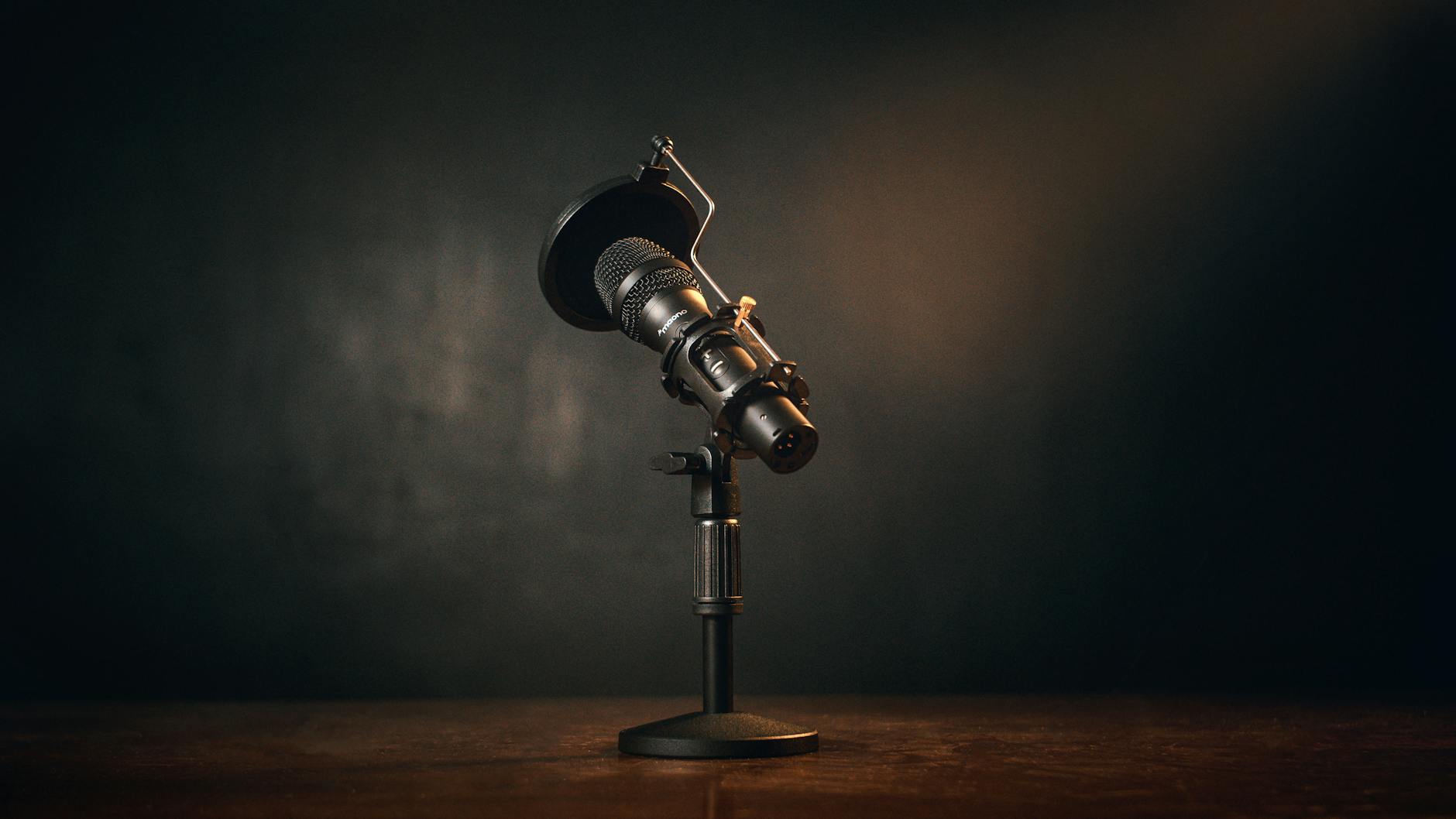
Voice cloning companies sell efficiency as the solution to podcast burnout. Generate intro segments, create consistent ad reads, even produce entire episodes when you’re sick or traveling.
The reality hits different. Your audience subscribed to hear you think through ideas in real-time, stumble over complex thoughts, laugh at your own jokes. That messy humanity is the entire product—remove it and you’ve created a fancy audiobook, not a podcast.
Independent podcasters who’ve tested voice cloning consistently report the same outcome: engagement metrics drop within weeks. Comments become generic, listener emails disappear, and that sense of talking directly to friends evaporates.
Three Ways AI Voice Tools Backfire for Indie Podcasters

First, voice clones make you sound like you’re reading a script—even when using your own recorded conversational samples. The training process flattens vocal dynamics, removes spontaneous emphasis, and creates an uncanny valley effect that listeners feel but can’t quite name.
Second, the temptation to over-edit becomes irresistible. When you can generate perfect takes instantly, you start removing every pause, every “um,” every human moment. Your show becomes technically flawless and emotionally sterile.
Third, voice clones create a psychological distance between you and your content that translates directly to your audience.
When you’re not physically speaking your thoughts, you lose the muscle memory of emphasis, timing, and emotional connection. That disconnect travels through the audio and lands on your listeners as a subtle but persistent sense that something’s wrong.
When Listeners Can Tell (And They Always Can)

The “listeners can’t tell” claim falls apart under real-world testing. Podcasters using voice clones report increased comments asking if they’re “feeling okay” or “seem different lately.”
Human ears are finely tuned to detect vocal authenticity. We evolved to read micro-emotions in speech patterns—voice clones eliminate those micro-signals entirely. Your audience may not consciously identify AI, but they consistently report feeling less connected to cloned content.
More telling: podcasters who switch back to 100% human recording see immediate engagement recovery. Comments become personal again, listener retention improves, and that sense of intimate conversation returns within episodes.
The Tools Worth Using vs. The Ones to Avoid Completely
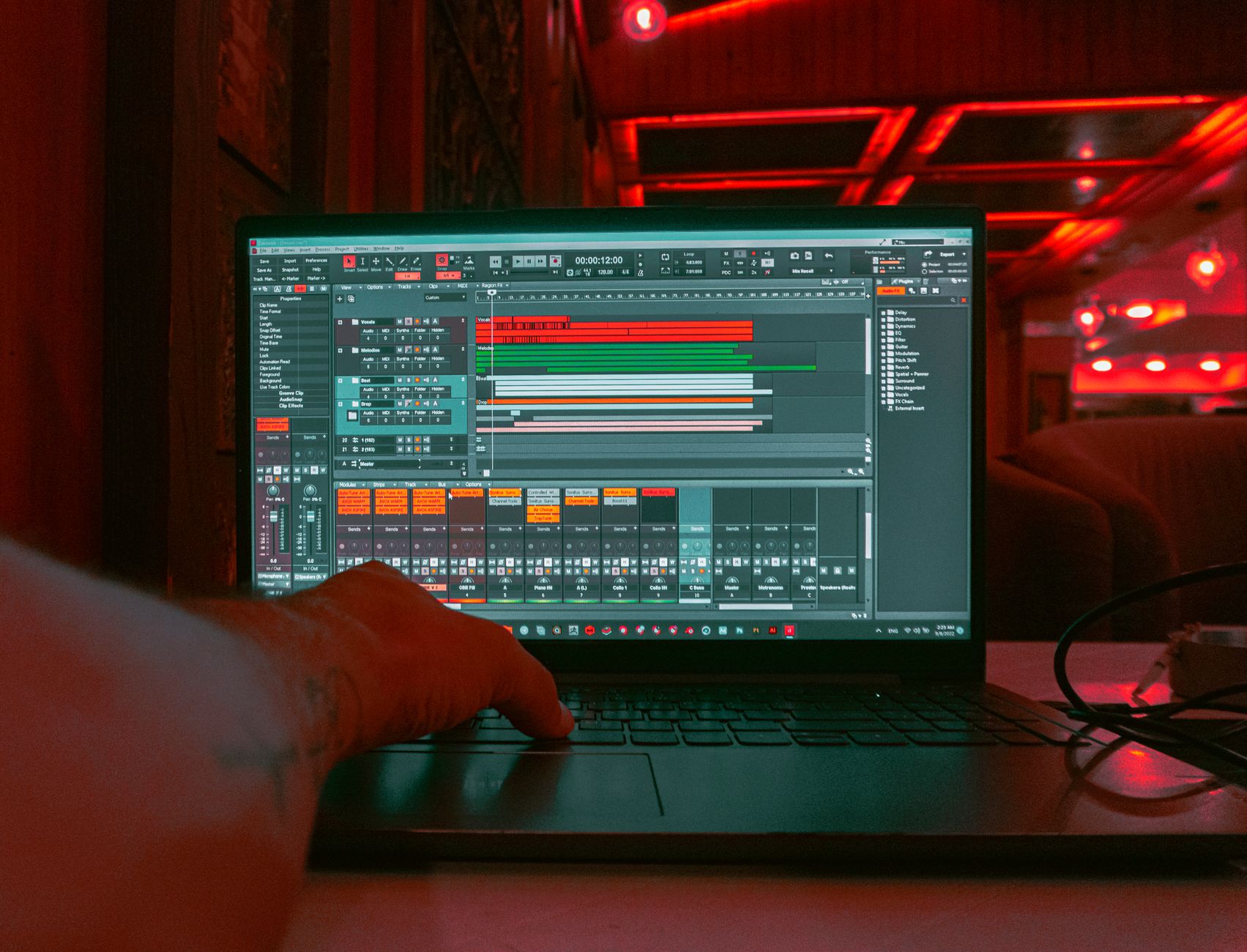
Skip entirely: ElevenLabs Voice Cloning, Murf AI voices, Speechify Voice Cloning, and Resemble AI. These tools optimize for technical quality while destroying the authentic imperfection that makes podcasting work.
Also avoid: Any tool promising to “generate entire episodes” or “maintain consistent delivery.” Consistency is the enemy of compelling audio content.
Actually useful: Descript for transcript-based editing (using your real voice), Adobe Podcast AI for noise reduction (not voice replacement), and Auphonic for automatic leveling. These tools enhance your human voice rather than replacing it.
What Actually Speeds Up Podcast Production Without Losing Soul
Real production shortcuts preserve your voice while eliminating non-creative tasks. Batch recording multiple episodes in single sessions cuts setup time by 70% while keeping every episode authentically you.
Template-based show structures speed up planning without scripting spontaneity to death. Create consistent segments—guest intro format, question frameworks, closing elements—but leave space for unplanned moments within each template.
The biggest time-saver nobody talks about: accepting that some episodes will be imperfect. Your audience prefers authentic mediocrity over polished artificiality every time. Stop trying to eliminate human moments and start designing workflows that capture more of them efficiently.
Most importantly, delegate everything except speaking. Hire editors, automate publishing, template social promotion—but never outsource your actual voice to an algorithm. That’s the one part of podcasting that can’t be systematized without destroying the core product.