
Voice cloning will scale your podcast content and save hours of recording time. This promise drives hundreds of independent podcasters toward tools like ElevenLabs, Murf, and Resemble AI every month, convinced that synthetic versions of their voices are the productivity breakthrough they need. Six months of watching these implementations tells a different story.
The creators who jumped on voice cloning early aren’t celebrating their efficiency gains. They’re dealing with listener complaints, technical headaches, and costs that spiraled beyond their original budgets. The 500-5000 download range where most independent podcasters operate isn’t where voice cloning shines—it’s where it creates the most problems.
The Real Cost of Voice Cloning Goes Beyond the Monthly Fee

ElevenLabs charges based on character count, starting at $5 monthly for 30,000 characters. A typical 20-minute podcast episode runs 3,000-4,000 words, translating to roughly 15,000-20,000 characters including punctuation and spacing. Your $5 plan covers maybe two episodes.
The real cost explosion happens in post-production. Voice clones require significantly more editing time than human recordings because the pacing, emphasis, and emotional inflection rarely match your intent on the first pass. You’ll regenerate sections multiple times, burning through character limits faster than anticipated.
Most podcasters discover their monthly voice cloning costs triple within the first quarter as they chase output that sounds remotely natural.
Then comes the technical overhead nobody mentions in the marketing materials. Voice training requires 10-30 minutes of clean audio samples, recorded in controlled conditions your home setup probably can’t match. Poor training data creates synthetic voices that sound robotic or, worse, uncannily wrong in ways that make listeners uncomfortable.
Why Authenticity Matters More Than Efficiency in Audio
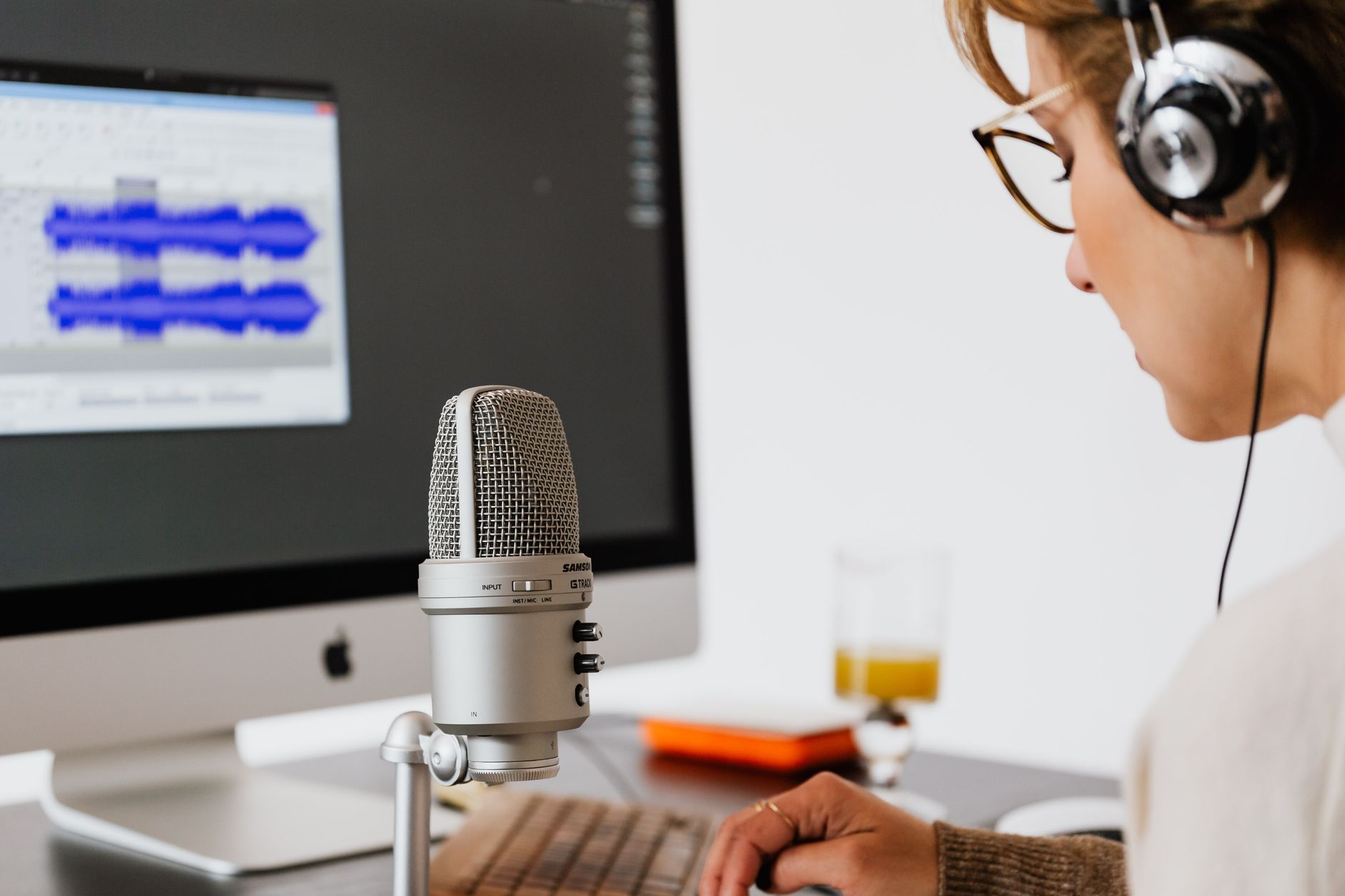
Podcasting success in the independent range depends entirely on personal connection. Your audience isn’t subscribing for information they can get anywhere—they’re subscribing for your perspective, delivered in your voice, with your natural hesitations and verbal quirks intact.
Voice clones strip away the micro-expressions that make human speech compelling. The slight pause before you make a controversial point, the way your voice speeds up when you’re excited about a topic, the authentic laugh when you catch yourself making a mistake—synthetic voices flatten these moments into generic delivery.
Listeners notice immediately. Not because the technology sounds obviously fake, but because it sounds like you having an off day, every day. The emotional distance created by synthetic voice makes audiences disengage faster than poor audio quality ever could.
This isn’t speculation. Podcasters who A/B tested episodes with their cloned voices consistently see engagement metrics drop within the first month. Comments decrease, social shares fall, and listener retention shortens measurably.
The Technical Problems Nobody Mentions in Voice Clone Reviews

Voice cloning demos use carefully selected scripts that showcase the technology’s strengths. Real podcast content breaks these systems in predictable ways that reviews conveniently skip.
Technical terminology, guest names, and brand mentions create pronunciation disasters. Even advanced tools like ElevenLabs struggle with words outside their training vocabulary, producing versions that range from mildly wrong to completely unintelligible. You’ll spend more time manually correcting these errors than you would have spent just recording the segment yourself.
Emotional range presents another limitation that becomes obvious after extended use. Voice clones excel at neutral delivery but fail catastrophically when you need genuine excitement, concern, or humor. The synthetic laugh sounds like a glitch, not a moment of authentic enjoyment.
Integration with existing workflows requires completely rebuilding your production process around the tool’s limitations rather than your creative needs.
File format compatibility creates additional friction. Most voice cloning tools output audio in formats or quality settings that don’t match your existing library, forcing format conversion steps that introduce quality loss and extend production time.
What Podcasters Actually Need Instead of Voice Clones
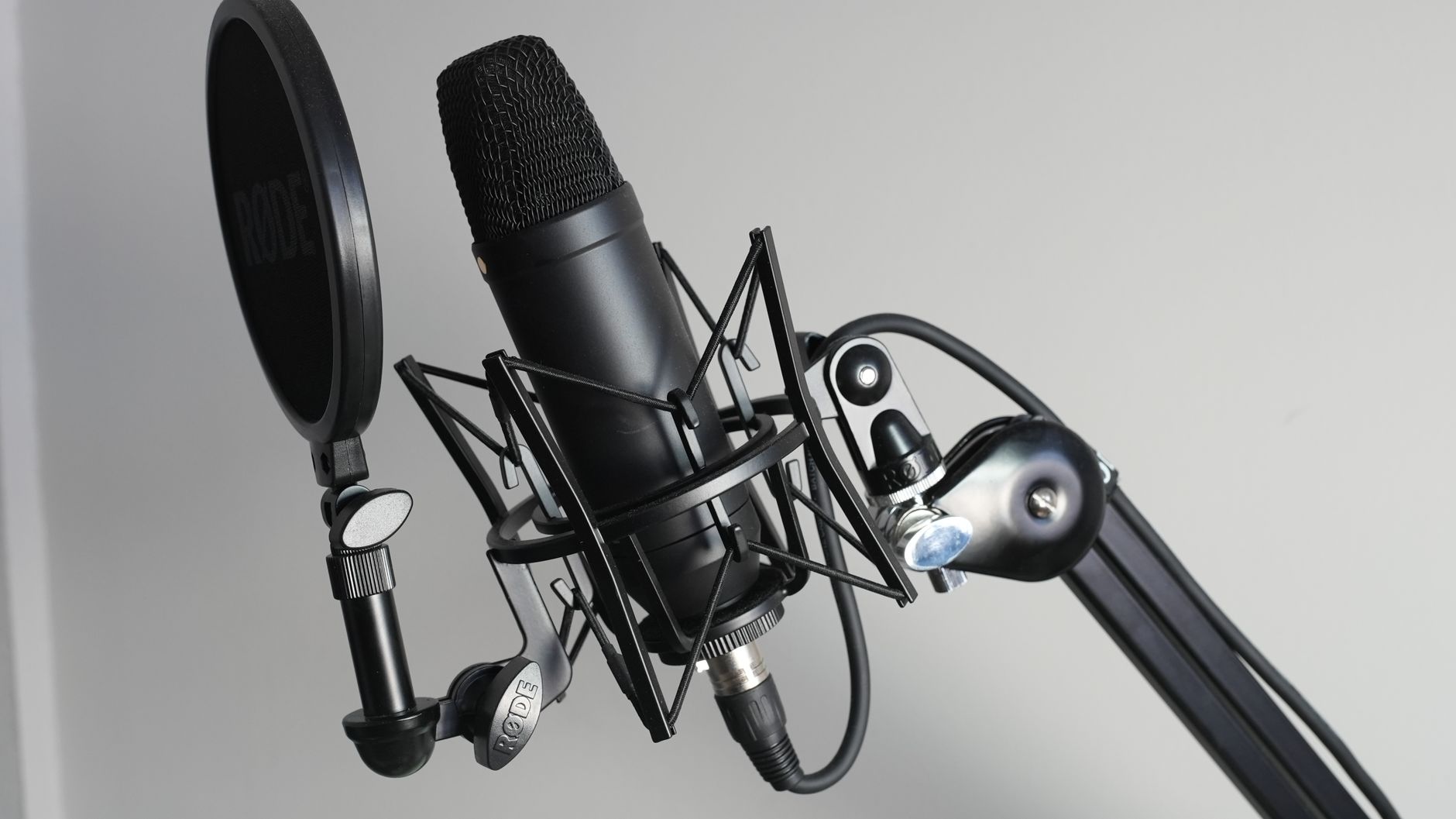
The productivity problem voice cloning promises to solve isn’t actually a recording problem. Independent podcasters waste more time on research, show notes, and social media promotion than they ever spend behind the microphone.
Better batching solves the recording efficiency challenge without sacrificing authenticity. Recording three episodes in a single focused session takes less total time than generating, editing, and fixing one synthetic episode. Your voice stays consistent, your energy remains natural, and you avoid the technical overhead entirely.
Automated transcription and AI-powered show note generation deliver immediate productivity gains without alienating your audience. Tools like Otter.ai or Riverside’s built-in transcription cost less than voice cloning subscriptions while actually reducing your workload.
Template-based promotion workflows save more time than synthetic voices ever could. The bottleneck for most independent podcasters isn’t content creation—it’s content distribution and audience development.
The Only 3 Scenarios Where Voice Cloning Makes Sense

Voice cloning works when you’re producing content at scales that independent podcasters rarely reach. Daily shows with multiple segments, international versions requiring consistent voice branding, or educational series where information delivery matters more than personal connection.
Medical absence or temporary voice problems create legitimate use cases where synthetic voices preserve publishing schedules without permanent audience impact. Listeners understand and forgive synthetic fill-ins when the alternative is complete silence.
Multi-language content expansion becomes viable with voice cloning once you’re consistently hitting 50,000+ downloads monthly and have budget for professional translation services. The synthetic voice becomes a feature, not a replacement for your authentic English delivery.
If your podcast isn’t hitting these specific scenarios, voice cloning will cost you more time and money while delivering worse results than your current process.
Skip the synthetic voice experiments entirely. Focus on batching your recording sessions, automate your post-production tasks that don’t involve your voice, and invest in audience development instead. Your listeners subscribed for you, not for a productivity-optimized version of you.