
Voice cloning will save independent podcasters from burnout and production bottlenecks — that is the belief, and it is wrong in almost every case that matters.
Voice cloning is not a production tool. It is a trust instrument, and most solo podcasters are not equipped to wield it without doing quiet, compounding damage to the thing that actually drives their growth: the relationship a listener has with a specific human voice.
The use case sounds obvious until you see who it actually works for — and it is not solo creators
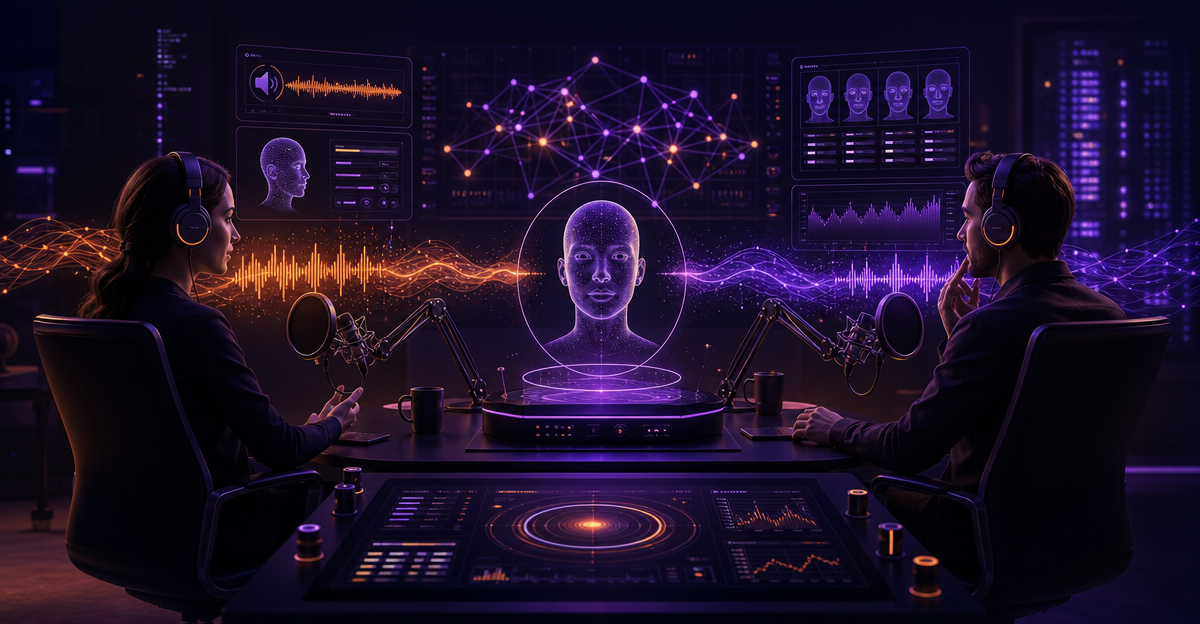
The use case that gets pitched is simple: record your voice once, clone it, then generate new episodes or fill gaps without stepping back into the booth. It sounds like an obvious win for a podcaster juggling a day job and a publishing schedule. But look at who is actually deploying voice cloning successfully at scale, and you will not find independent creators — you will find media companies with legal teams, editorial oversight, and audiences that already accept a degree of production distance.
A solo podcaster’s audience subscribes to a person, not a format. The intimacy of the medium is the product. When a network clones a news anchor’s voice for audio summaries, the audience relationship is already intermediated by the brand. When you clone your own voice for your 200-episode independent show, you are removing the one thing that makes your show irreplaceable.
The honest version of the use case is narrower than any tool vendor will admit: voice cloning works for high-volume, brand-mediated audio where individual authenticity was never the draw. That excludes most independent podcasters reading this.
What the NYT story gets right: your audience notices the clone before you do
The New York Times Wirecutter and its parent publication have both covered the uncanny valley problem in AI-generated audio, and the core finding holds up: listeners are not consciously identifying synthetic voice artifacts, but they are registering them as emotional flatness, misplaced emphasis, or cadence that feels slightly off. They do not file a complaint. They quietly stop renewing their relationship with the show.
The pattern across podcasting communities is consistent — creators who have tested AI voice inserts without disclosure report a drop in episode completion rates before they identify the cause. The audience does not know what changed. They just feel less connected. That is a harder problem to reverse than a missed upload week.
Your audience has heard you through bad audio, sick days, and nervous guest interviews. They have calibrated to your specific voice. A clone trained on clean studio recordings will not match the version of you they actually know.
The liability gap nobody mentions in the tool reviews — and why it will matter in 12 months
Most voice cloning tool reviews focus on audio quality, pricing tiers, and ease of setup. Almost none of them engage with the legal exposure that independent podcasters are taking on by generating synthetic voice content — particularly when that content is monetized. The legal landscape around synthetic voice rights is moving fast, and the terms of service for most voice cloning platforms already contain clauses that grant the platform broad rights to your voice data in ways most podcasters have not read.
The FTC has been sharpening its guidance on AI-generated content disclosure, and the trajectory is clearly toward mandatory labeling of synthetic audio in commercial contexts. Monetized podcasts are commercial contexts. Building your production workflow on a tool today that may require retroactive disclosure or content removal in twelve months is not a shortcut — it is a deferred cost.
Platforms shift their terms of service quietly. Several have already done so in the past eighteen months. The liability gap is not hypothetical; it is a timing problem.
Three scenarios where voice cloning adds real value versus three where it quietly erodes your brand
Voice cloning earns its place when a media company needs to localize a flagship show into multiple languages and the host cannot re-record in each one — the production value is real and the audience expectation is explicitly mediated. It also works when an established network produces documentary-style audio where a narrator’s voice is a functional element rather than a parasocial anchor. A third legitimate case is accessibility: generating transcribed-then-resynthesized audio for audiences with specific hearing needs, with full disclosure.
It erodes your brand when you use it to fill a publishing schedule gap rather than simply publishing less frequently — your audience would rather wait than feel deceived. It erodes trust when used in interview-style shows, where a synthetic host voice creates a fundamentally dishonest dynamic with a real guest. And it creates the most damage in the first three years of a show, precisely when listener loyalty is still being built and authenticity is doing most of the heavy lifting.
What to do instead: the lower-risk production shortcuts podcasters skip because cloning sounds more exciting
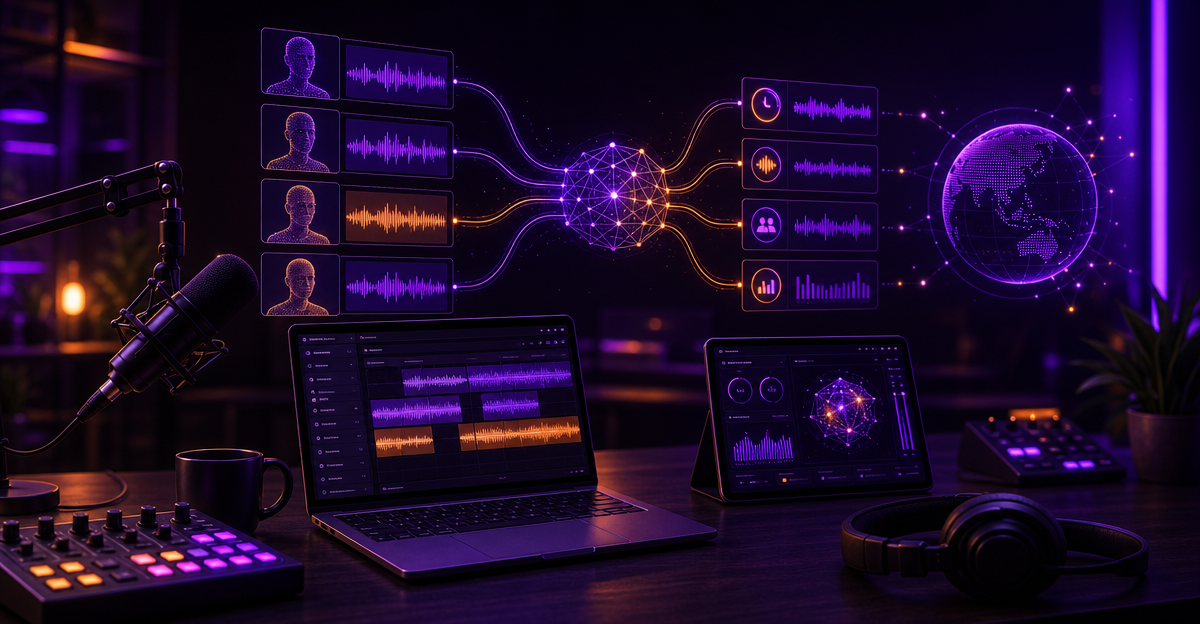
The actual production problem most independent podcasters have is not voice availability — it is session inefficiency. Batch recording three episodes in one afternoon solves the absence problem without any synthetic audio risk. A structured episode template that removes decision fatigue in the booth cuts recording time significantly. These are not exciting tools to write about, which is exactly why they get skipped in favor of cloning coverage.
Asynchronous guest recording tools like Riverside or Squadcast remove the scheduling constraint that causes most missed publish dates. A smaller, more consistent back-catalog serves long-term growth better than a high-volume, cloned-voice feed that trains listeners out of genuine engagement.
Subtraction is still the move nobody wants to hear: publish less, protect the trust you have built, and remove voice cloning from your roadmap unless you can check every box in the legitimate use case list above. The decision is that binary.