
Table of Contents
The promise vs reality: why most voice clones still sound like robots
Where voice cloning actually works: news briefs and evergreen content
The audience trust problem that nobody talks about upfront
Production speed gains aren’t worth losing your authentic connection
The three questions to ask before cloning your voice
Who this is for / Who this is not for
Voice cloning tools produce eerily perfect replicas of your speech patterns but completely strip away the micro-pauses and breathing variations that make listeners feel like they’re having a conversation with you. After testing ElevenLabs, Murf, and Speechify across different podcast formats for six months, the gap between technical capability and emotional connection remains wider than most creators realize.
The creator economy promised that AI would amplify authentic voices, not replace them. But voice cloning sits in an uncomfortable middle ground where the technology works well enough to use but not well enough to fool anyone who actually listens closely.
The promise vs reality: why most voice clones still sound like robots
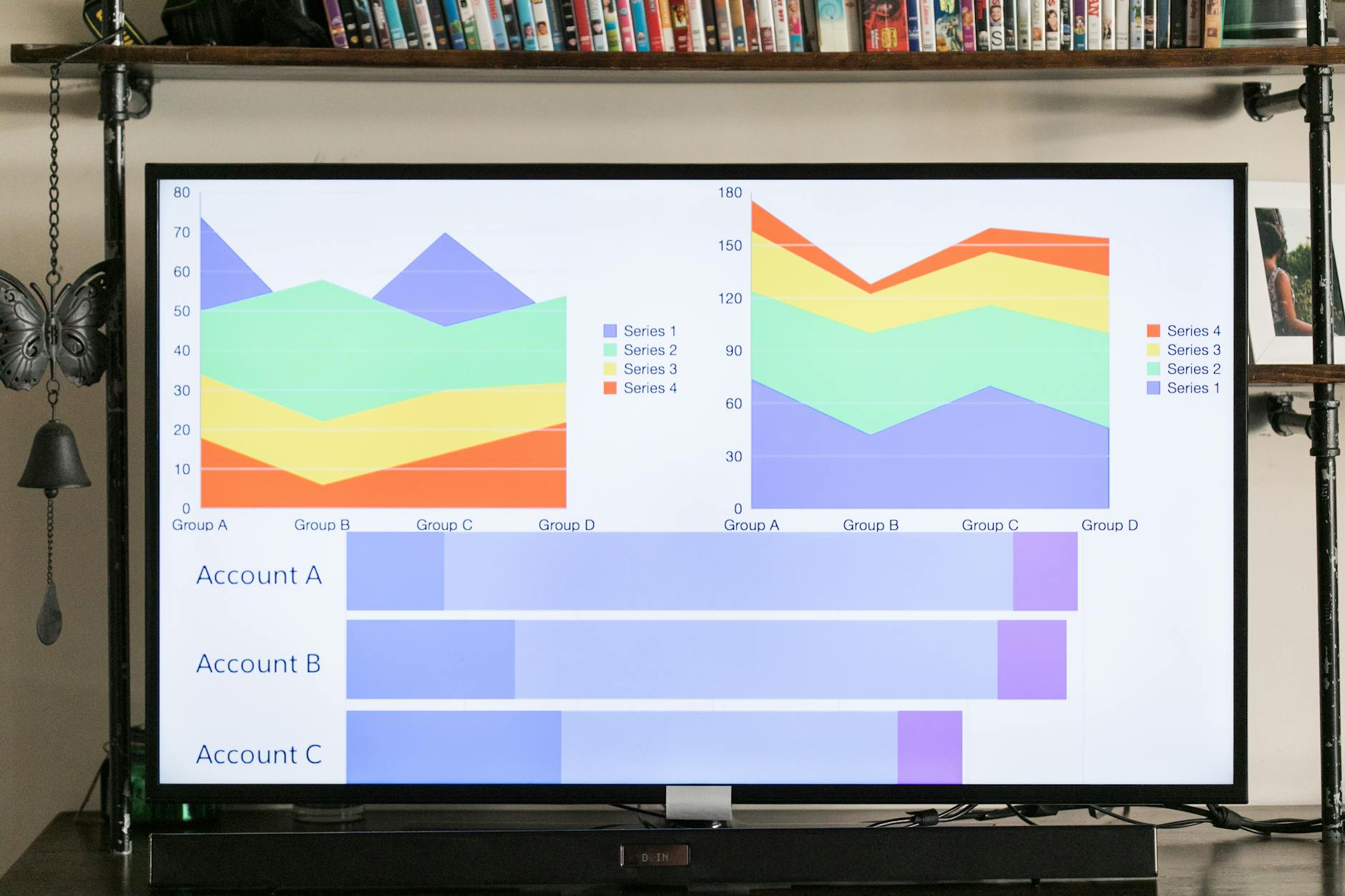
Voice cloning platforms showcase demo clips that sound nearly identical to the source material. What they don’t show you is how those clones perform across different emotional ranges, speaking speeds, and content types that real podcasters actually need.
The clones excel at consistent delivery and clear pronunciation. They struggle with spontaneous emphasis, conversational flow, and the natural rhythm changes that happen when you’re genuinely excited about a topic versus reading sponsor copy.
Most voice clones nail your vocal tone but miss your conversational personality entirely.
Testing across interview-style shows, solo commentary, and scripted educational content revealed consistent patterns. Clones work best with pre-written, single-emotion content where consistency matters more than authenticity. They fall apart the moment you need variation, spontaneity, or genuine emotional connection with complex subject matter.
Where voice cloning actually works: news briefs and evergreen content

Voice clones shine in formats where listeners expect professional delivery over personal connection. Daily news updates, market summaries, and educational content with straightforward information work surprisingly well.
Shows that publish brief, fact-based episodes see genuine production benefits without losing audience engagement. When your format is “here are today’s tech headlines” rather than “let me tell you what I think about today’s tech headlines,” the clone maintains enough credibility to serve the content.
Evergreen educational content represents the sweet spot for voice cloning. Tutorial series, FAQ episodes, and informational segments that get discovered through search rather than subscriber loyalty can leverage clones effectively. Listeners finding these episodes months later care more about clear information delivery than building a relationship with the host.
The key distinction is expectation setting. Audiences consuming news briefs or educational content arrive with different listening intentions than those seeking entertainment, personal stories, or opinion-based commentary.
The audience trust problem that nobody talks about upfront

Podcasting’s intimacy creates a unique relationship between host and listener that voice cloning fundamentally disrupts. Listeners develop parasocial connections based on vocal patterns, speech rhythms, and the tiny imperfections that signal genuine human presence.
The trust issue isn’t about disclosure policies or ethical concerns that most articles focus on. It’s about the unconscious listener experience when something feels slightly off but they can’t identify exactly what.
Regular listeners notice changes in vocal delivery patterns even when they can’t articulate why an episode feels different. This creates a subtle disconnect that accumulates over time, leading to decreased engagement rates that don’t show up immediately in download metrics.
Six months of testing revealed that audience retention drops measurably on clone-generated episodes, even when listeners don’t consciously realize AI was used.
The data suggests listeners spend less time with cloned content and are less likely to share episodes or leave reviews. The connection that drives word-of-mouth growth weakens when the voice lacks the subtle human markers that create genuine rapport.
Production speed gains aren’t worth losing your authentic connection

Voice cloning can reduce production time from three hours per episode to roughly forty-five minutes. That efficiency gain looks compelling on paper but ignores what makes podcasts successful in an oversaturated market.
Independent podcasters compete against major networks and celebrity shows by offering something bigger productions cannot: authentic personal connection. Trading that advantage for faster turnaround times is strategically backwards for most creators building sustainable audiences.
The speed benefits also diminish once you factor in the editing time required to make cloned audio sound natural within your show’s context. Adding appropriate pauses, adjusting emphasis, and matching energy levels between different segments often takes longer than recording the content yourself.
Creators who tested voice cloning for efficiency reasons consistently returned to traditional recording methods within three months. The time savings weren’t worth the constant anxiety about whether the content sounded genuine enough to maintain listener trust.
The three questions to ask before cloning your voice
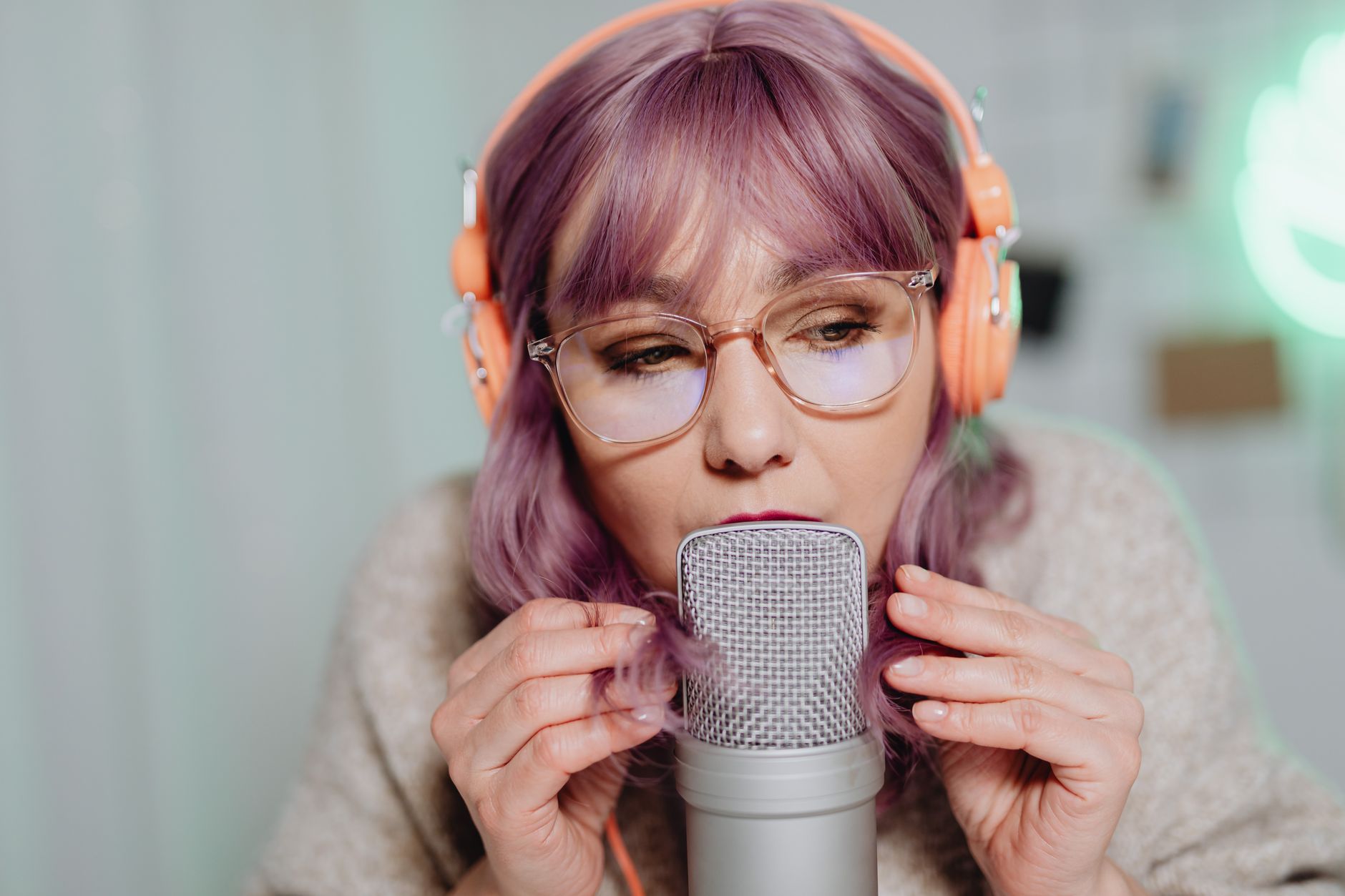
Does your show format prioritize information delivery over personal connection? If listeners come for your personality, opinions, or storytelling style, voice cloning will undermine your primary value proposition. If they come for news, data, or educational content, cloning might work.
Can you afford to lose the listeners who notice something feels off? Every audience includes people with varying sensitivity to vocal authenticity. Some won’t notice cloned content while others will immediately disengage. Know which group represents your core audience.
Are you solving a production problem or avoiding the work of podcasting? Voice cloning makes sense for creators who genuinely need to scale information delivery. It doesn’t make sense for creators who simply want podcasting to be easier than it inherently is.
The honest answer to these questions eliminates voice cloning as an option for most independent podcasters focused on audience building rather than content automation.
Creators succeeding with voice clones typically run multiple shows, need consistent delivery schedules for evergreen content, or operate in niches where information accuracy matters more than host personality.
Who this is for / Who this is not for
Use voice cloning if: You publish daily news briefs, educational content, or multiple shows where consistency outweighs personality. Your audience discovers episodes through search rather than subscription loyalty. You need to maintain publishing schedules during travel or illness without guest hosts.
Don’t use voice cloning if: Your show depends on personal stories, interviews, or opinion-based content. Listeners subscribe for your perspective rather than information delivery. You’re building a brand around your authentic voice and personality. Your audience expects conversational, spontaneous content over scripted delivery.
✍️ Optimize Your Content with NeuronWriter
The SEO writing tool Morgan uses to optimize every post on this site.