
Podcasters who built audiences through late-night recording sessions now hesitate before hitting record, knowing a machine could replicate their voice in minutes.
Why Voice Cloning Feels Like Creative Theft (Even When It’s Your Own Voice)
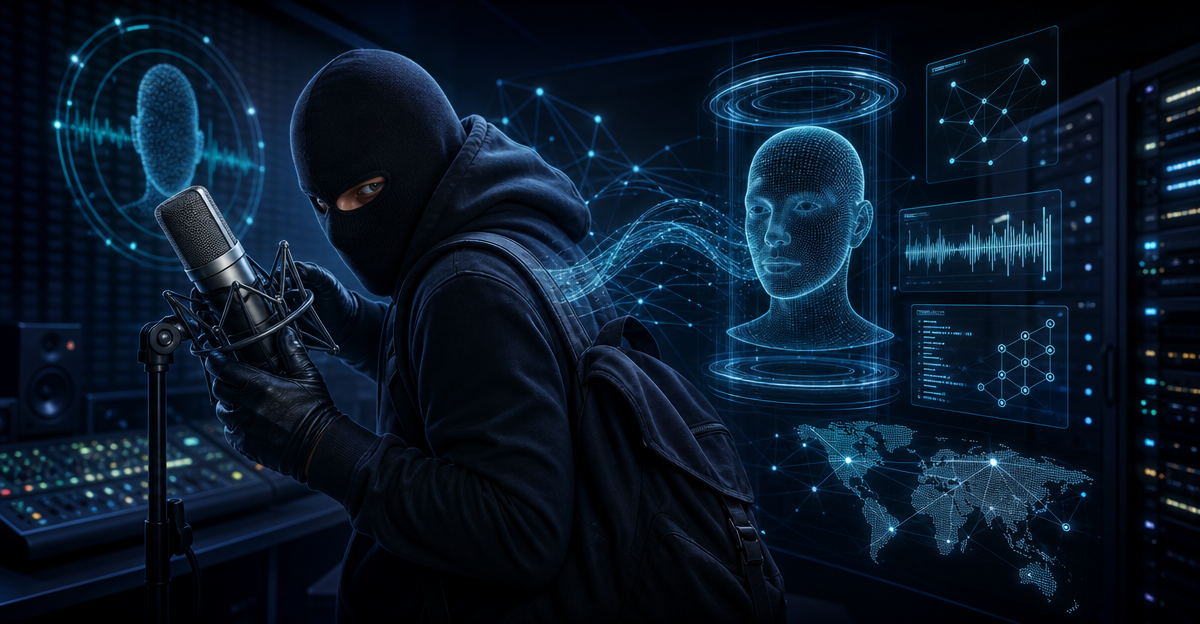
Voice cloning technology forces an uncomfortable realization: your vocal patterns are just data points waiting to be analyzed. When speech synthesis can reproduce your inflections, pauses, and even your nervous laugh, the thing you thought made you irreplaceable becomes replaceable.
The discomfort runs deeper than technology anxiety. Your voice carries the memory of every recording session, every stumbled word you kept because it felt authentic, every moment you connected with your audience through pure vocal presence.
When a service offers to clone that voice for intro reads or sponsor segments, it feels like watching someone else wear your face. The technology works so well that even you might struggle to identify which version is real.
The Trust Problem: Audiences Can’t Tell What’s Real Anymore
Your listeners developed their relationship with you through hundreds of hours of your actual voice. They recognize when you’re tired, excited, or reading versus speaking naturally. Voice cloning threatens that intimate recognition.
The moment your audience suspects any content might be AI-generated, they start questioning everything. Was that enthusiastic product endorsement really your opinion, or did a clone deliver it while you were vacation?
Trust in podcasting depends on the assumption that the voice they hear represents the person they follow, not a synthetic approximation optimized for consistency.
What Podcasters Actually Lose When They Clone Themselves
Voice cloning eliminates the human inconsistencies that actually build connection. Your slightly hoarse voice after a long day tells listeners something real about your life. The way you stumble over complex topics shows your thinking process in real time.
When you delegate certain segments to your voice clone, you lose those moments of unscripted humanity. Your audience starts receiving a polished version of you that never has an off day, never struggles with pronunciation, never reveals authentic emotion through vocal strain.
The efficiency gains feel significant at first. Generate intro segments in any language, create content while traveling, maintain posting schedules during illness. But each synthetic segment creates distance between you and the audience that chose your podcast specifically because it felt human.
The One Thing AI Can’t Replicate (And Why That Matters)
Voice cloning captures your sound but misses your decision-making process. The way you pause before addressing a controversial topic, the slight emphasis you place on words that matter to you personally, the natural conversation flow that comes from years of genuine interaction.
Your real value as a podcaster lives in the moments between words. How you process listener questions, react to unexpected topics during interviews, or pivot when a conversation takes an interesting turn. These spontaneous choices reveal personality in ways that scripted content never can.
AI can mimic your vocal patterns but cannot replicate the judgment calls that make each episode uniquely yours. When listeners recommend your podcast, they recommend those human decisions, not just the sound of your voice.
How to Use Voice Cloning Without Losing Your Soul
Voice cloning works best for clearly defined utility functions where efficiency matters more than intimacy. Use it for standard intro/outro segments, sponsor reads that require multiple takes, or translations that expand your reach without requiring your physical presence.
Always disclose when you use voice cloning, even for mundane segments. Your audience will respect transparency more than they resent the technology. Frame it as a production tool, not a replacement for your authentic presence.
Reserve your real voice for the content that defines your podcast’s core value. The main conversation, personal stories, unscripted reactions, and direct audience engagement should remain genuinely you. Let voice cloning handle the administrative vocal work while you focus on the creative decisions that actually matter.
Before implementing any voice cloning technology, ask yourself what your audience values most about your content. If they come for your personality and authentic reactions, protect those elements fiercely. If they come for information and efficiency, voice cloning might enhance their experience without threatening your relationship.