
OpenAI is backing an Illinois bill that would severely limit when AI companies can be held liable for harm caused by their systems. The proposed legislation would require plaintiffs to prove “willful misconduct” — a nearly impossible legal standard that effectively shields AI labs from most lawsuits.
🔥 Limited-Time Offer — Best Deal Available Now
Check price before it changes — worth buying for serious creators.
This matters because Illinois could become the first state to pass comprehensive AI liability protections in 2026. If successful, expect similar bills to spread nationwide, fundamentally changing how content creators and small businesses can seek damages when AI tools cause financial harm or copyright violations.
What the Illinois AI Protection Act Actually Does
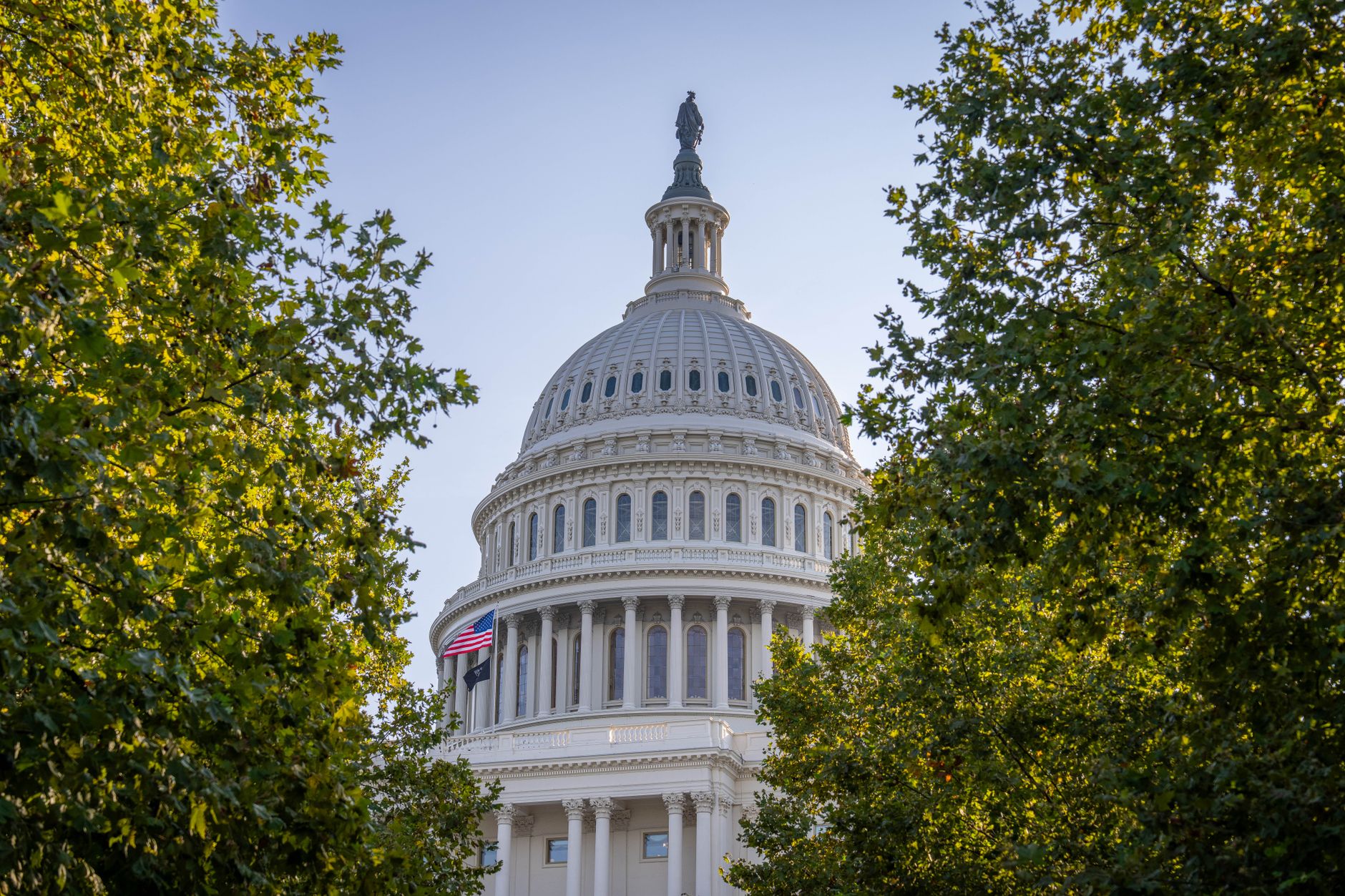
The bill, officially called the “Artificial Intelligence Development Protection Act,” creates a legal safe harbor for AI companies operating in Illinois. Under current law, creators can sue AI companies for various harms including copyright infringement, data scraping violations, and economic damages from AI-generated content.
The new standard would require proving AI companies acted with “deliberate intent to cause harm” — something internal emails or whistleblower testimony would need to establish. Legal experts say this raises the bar so high that 90% of current AI-related lawsuits would fail under these rules.
OpenAI’s public backing comes after the company faced over $3 billion in pending litigation in 2026. The timing isn’t coincidental — this best deal for AI companies could save the industry billions in legal costs while leaving creators with fewer options for recourse.
How This Impacts Bloggers and Content Creators

If you’re a blogger or content creator, this legislation directly threatens your ability to protect your work. Currently, you can sue AI companies for scraping your content without permission or creating derivative works that compete with your business.
Under the Illinois framework, you’d need to prove OpenAI, Anthropic, or Google intentionally designed their systems to steal your content — not just that they did steal it. This limited-time window before similar laws spread nationwide means creators have months, not years, to establish legal precedents.
Small business owners face even bigger risks. If an AI chatbot provides incorrect business advice that costs you thousands, proving “willful misconduct” becomes nearly impossible. The current legal landscape where negligence claims are viable would disappear.
What Competitors Are Doing

While OpenAI publicly supports the Illinois bill, Anthropic and Google have taken more cautious approaches. Anthropic’s Claude team has remained officially neutral, while Google has lobbied for “balanced AI governance” — code for wanting protections without appearing too aggressive.
Meta has quietly funded similar legislation in Texas and Florida through industry groups. The company learned from Facebook’s PR disasters that direct advocacy creates backlash, so they’re using proxy organizations to push identical bills in Republican-controlled states.
This coordinated approach suggests 2026 will be the year AI liability gets decided. Companies are moving fast because they know public opinion could shift if major AI-caused harms occur before these protections pass.
📦 Recommended on Amazon
Looking for the best tools to boost your AI productivity? Check out top-rated options on Amazon — tested by our team.
What You Should Do Right Now
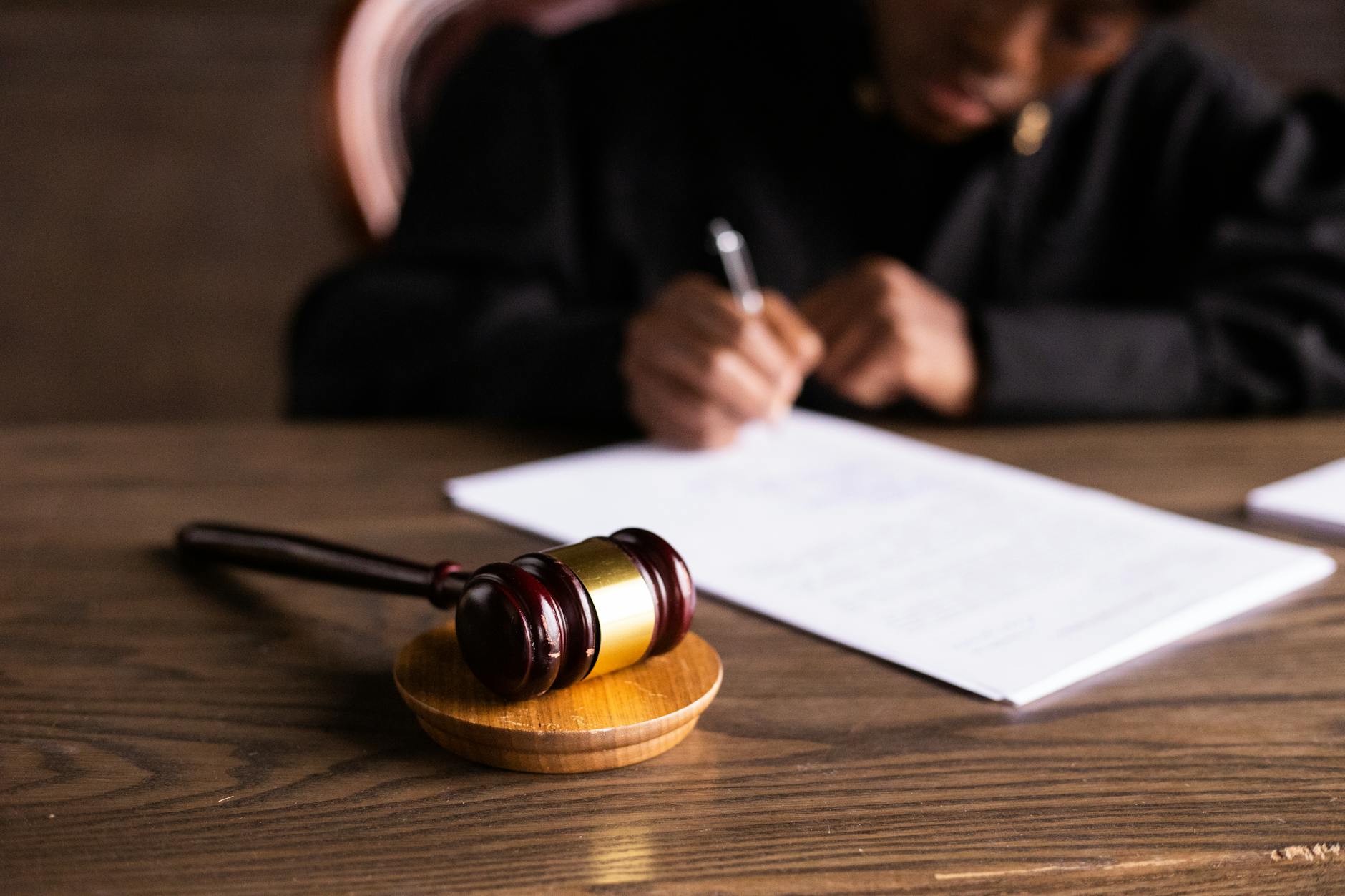
Why You Should Act Now:
- Current legal standards expire if these bills pass
- Pending lawsuits have better chances under existing law
- Documentation you create today becomes crucial evidence later
- This worth buying legal protection window closes once legislation passes
Immediate action steps:
1. Document everything — Screenshot AI tools using content similar to yours, save evidence of traffic drops after AI overviews launch, record any economic impacts from AI competition.
2. Check your state’s bills — Visit your state legislature’s website and search for “artificial intelligence liability” to see if similar bills are pending in your state.
3. Contact your representatives — Email your state legislators opposing blanket AI immunity. Use specific examples of how these tools have impacted your business.
4. Join creator advocacy groups — Organizations like the Authors Guild and independent creator coalitions are fighting these bills. Your voice matters more in smaller groups.
5. Consider legal consultation now — If you have legitimate claims against AI companies, check prices from legal experts before protective legislation passes.
| What Changed | Before | Now | Impact on Creators |
|---|---|---|---|
| Liability Standard | Negligence/Harm | Willful Misconduct | 90% harder to win lawsuits |
| Copyright Claims | Unauthorized use = violation | Must prove intent | Content scraping likely protected |
| Economic Damages | Provable lost revenue | Deliberate harm required | Business losses unrecoverable |
| Data Rights | Consent violations actionable | Safe harbor protection | Personal data more vulnerable |
🔥 Related Posts
Bottom line: OpenAI’s backing of Illinois liability protections signals a coordinated industry push to shield AI companies from lawsuits just as their tools cause increasing harm to creators and small businesses. The window for legal recourse under current standards is closing fast as similar bills spread nationwide. Document any AI-related business impacts now and contact your state representatives before these protections become law — once passed, proving “willful misconduct” will make successful claims nearly impossible for individual creators.
✍️ Optimize Your Content with NeuronWriter
Want to rank higher on Google? Try NeuronWriter — the AI-powered SEO writing tool we use to optimize every post.