
You spend three hours every Tuesday cleaning up audio from your weekly recording, manually adjusting levels where your voice dropped when you were fighting a cold, then scrambling to create social clips that sound consistent with your usual energy. Most podcasters think AI voice tools are about creating perfect clones of themselves, but after watching hundreds of independent creators integrate these tools over the past year, the real value lies in solving these mundane production problems that eat up time every single week.
Why Voice Cloning Gets All the Attention But Solves the Wrong Problem
Every AI voice tool demo starts with the same pitch: record yourself for ten minutes and create a perfect digital version of your voice. The marketing focuses on replacing yourself entirely, which sounds revolutionary until you realize that most podcasters actually want to sound like themselves, just better.
The voice cloning narrative misses what independent podcasters actually struggle with daily. You are not trying to automate yourself out of your own show—you are trying to maintain consistent audio quality when you are sick, tired, or recording in different environments.
The common mistake here is chasing perfect voice replication instead of focusing on audio enhancement and consistency tools that integrate with your existing recording setup.
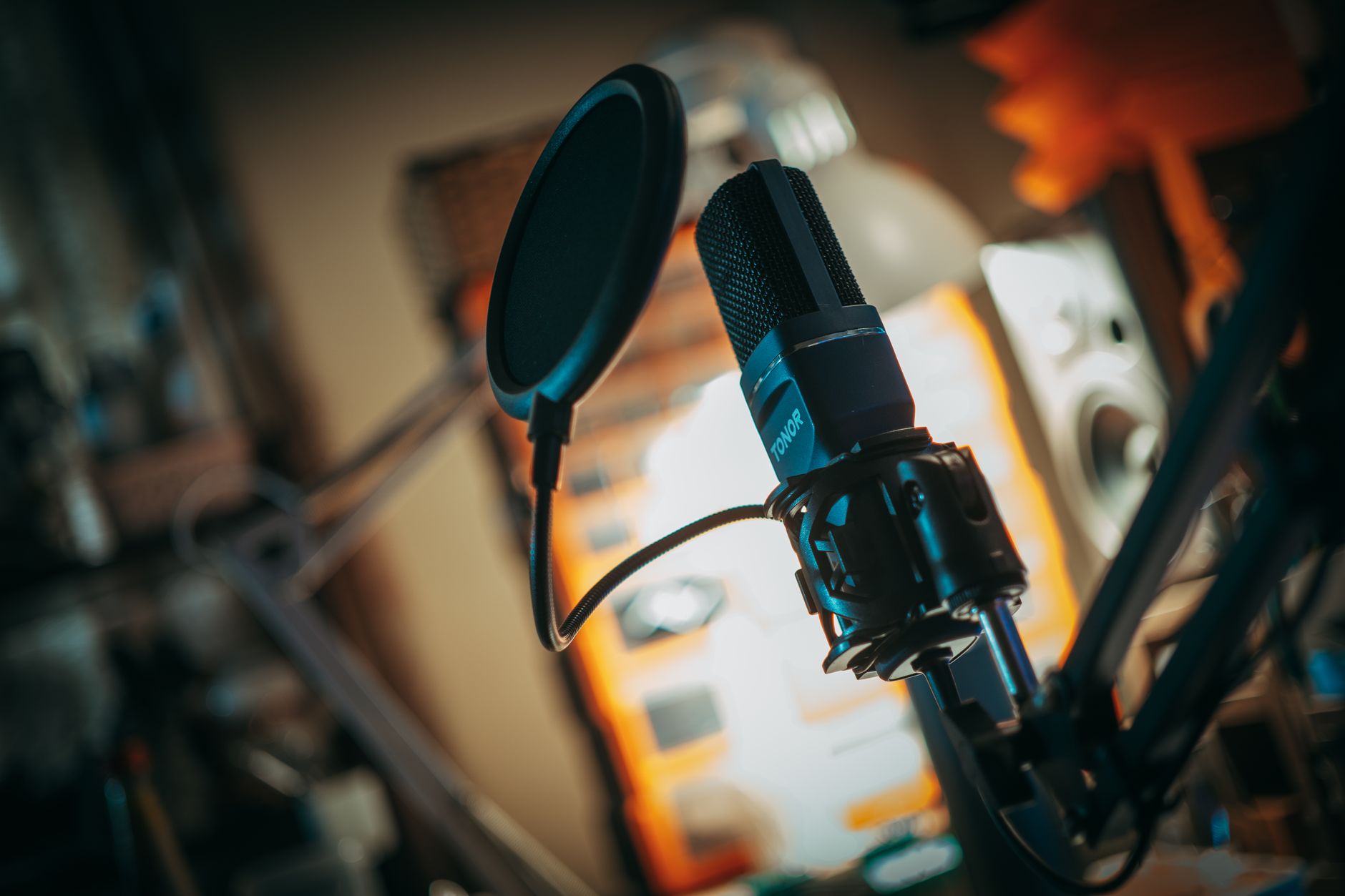
The Three AI Voice Tasks That Actually Matter in Your Weekly Workflow
Real podcasters use AI voice tools for three specific production tasks that happen every episode cycle. First is audio cleanup and enhancement—taking your raw recording and automatically adjusting for background noise, inconsistent volume, and mouth sounds that would normally require manual editing.
Second is voice consistency correction when you are recording while sick or tired. Instead of cloning your voice entirely, these tools adjust your existing recording to match your typical energy levels and clarity. The input is your raw audio file, the process runs automatic voice matching algorithms, and the output is your actual voice enhanced to sound like you on a good day.
Third is creating multiple platform versions of the same content segment. You record your main episode once, then generate different tone variations for social media clips—more casual for TikTok, more professional for LinkedIn promotional content. This is repurposing, not replacement.
The common mistake at this phase is trying to use AI voice tools for tasks your existing audio editor already handles well, creating redundant workflows instead of filling actual gaps.

Which Tools Podcasters Keep Using After the Free Trial Ends
Adobe Podcast AI consistently shows up in workflows six months after podcasters first try it because it integrates directly with existing editing software most creators already use. The audio enhancement features work on your actual recorded voice rather than generating synthetic alternatives.
ElevenLabs Voice Design stays in regular use, but not for full voice cloning—podcasters use it specifically for creating consistent intro and outro segments when their recording conditions vary week to week. The tool costs approximately twenty dollars monthly based on published pricing for standard usage levels.
Descript Overdub gets renewed because it solves the specific problem of fixing small mistakes without re-recording entire segments. When you mispronounce a sponsor name or stumble over a key point, you can generate just those few words in your voice rather than starting the whole section over.
The common mistake here is subscribing to multiple voice AI platforms simultaneously when most podcasters only need one tool that integrates with their current editing workflow.

How to Set Up Your AI Voice Stack Without Breaking Your Budget
Start with audio enhancement before voice generation—your existing recording setup plus one AI tool that cleans up your current audio quality. Most podcasters see immediate time savings by automating the noise reduction and level adjustment tasks they currently do manually in post-production.
Add voice consistency tools only after you have established a regular recording schedule and identified specific pattern problems. If you consistently sound different when recording early morning versus evening, or when you are getting over illness, that is when voice matching tools provide measurable value.
Integrate content repurposing tools last, and only if you are already creating social media content from your episodes. The workflow should be: record main episode, enhance audio quality, create platform-specific versions with different energy levels for promotional clips.
Budget for one primary tool monthly subscription plus per-minute processing costs that scale with your actual usage rather than paying for multiple platforms you use inconsistently.
The common mistake at this phase is implementing all AI voice capabilities simultaneously instead of adding tools one at a time as specific workflow problems become clear and repetitive.

When AI Voice Tools Hurt More Than They Help (Red Flags to Watch)
AI voice tools become counterproductive when they add more steps to your production process than they eliminate. If you are spending time tweaking AI settings every episode instead of just recording and editing normally, the tool is not solving a real problem in your workflow.
Watch for quality inconsistency across episodes when using voice enhancement—some AI tools work well with your voice and recording setup, others create artifacts or unnatural sound patterns that make your podcast less professional than your original raw recordings.
Cost creep happens when usage-based pricing scales beyond your budget as your podcast grows. Processing longer episodes or creating more promotional clips can multiply monthly costs significantly within a quarter if you are not tracking per-minute charges against your actual revenue.
The common mistake here is continuing to use AI tools that sounded good in demos but create ongoing production problems specific to your voice, recording environment, or publishing schedule.
When your AI voice workflow breaks—which happens when tools update algorithms or change pricing models—have your previous manual editing process ready to resume immediately. The goal is enhancing your existing podcast production, not becoming dependent on AI tools that could disappear or become unaffordable.
✍️ Optimize Your Content with NeuronWriter
The SEO writing tool Morgan uses to optimize every post on this site.