
Can your AI agent handle a customer complaint that involves a billing error from three months ago, an emotional grievance about service quality, and a threat to leave for a competitor?
This question sits at the heart of why AI agent pilots often start promising and end frustrating. The gap between vendor demonstrations and production reality becomes clear when edge cases pile up faster than agents can adapt.
The Promise vs. Reality Gap: Why AI Agents Fail in Production

Vendor demos showcase AI agents handling perfect scenarios with clean data and predictable inputs. Production environments serve up incomplete information, contradictory requests, and context that spans multiple systems the agent cannot access.
The failure pattern is consistent across implementations. Agents perform well on the 70% of tasks that match their training scenarios, struggle with the 20% that require mild adaptation, and completely break on the 10% that demand creative problem-solving or emotional intelligence.
Most AI agent failures happen not because the technology is bad, but because the deployment assumes capabilities that do not exist.
The Human Judgment Layer: What Agents Can’t Replace

AI agents excel at pattern recognition and rule following but fail when situations require interpreting intent behind conflicting information. A customer saying they want to cancel while asking about upgrade options creates the kind of ambiguity that breaks automated decision trees.
The judgment gap becomes visible in escalation scenarios. Agents can identify when a conversation needs human intervention, but they cannot determine the urgency level or route to the right specialist based on emotional context and business impact combined.
Context switching represents another limitation. When a support conversation moves from technical troubleshooting to billing questions to retention concerns, agents lose thread continuity that humans maintain naturally through understanding the underlying customer relationship.
When Automation Becomes a Liability: Real-World Failure Modes

Automation failures compound quickly when agents operate without sufficient guardrails. A misconfigured pricing agent can approve discounts outside acceptable parameters, creating financial exposure that scales with transaction volume.
The feedback loop problem creates persistent issues. Agents that learn from their mistakes often learn the wrong lessons when human oversight is insufficient, leading to systematic errors that become harder to correct over time.
Integration failures cause the most expensive problems. When an AI agent updates customer records based on incomplete information, the error propagates across CRM, billing, and support systems before anyone notices the cascade.
The Sweet Spot: Where Human-AI Collaboration Actually Works

Successful AI agent deployments treat automation as augmentation rather than replacement. The agent handles information gathering and initial processing while flagging decisions that require human judgment before execution.
Approval workflows create the right balance. Agents can research customer history, draft responses, and suggest solutions, but humans retain decision authority on actions with business impact above defined thresholds.
The most effective implementations use AI agents to eliminate research time, not decision-making responsibility.
Real-time coaching works better than full automation. Agents provide suggested responses and relevant context to human operators, who can accept, modify, or ignore recommendations based on situational awareness the agent lacks.
Building Guardrails: How to Deploy Agents Without Losing Control
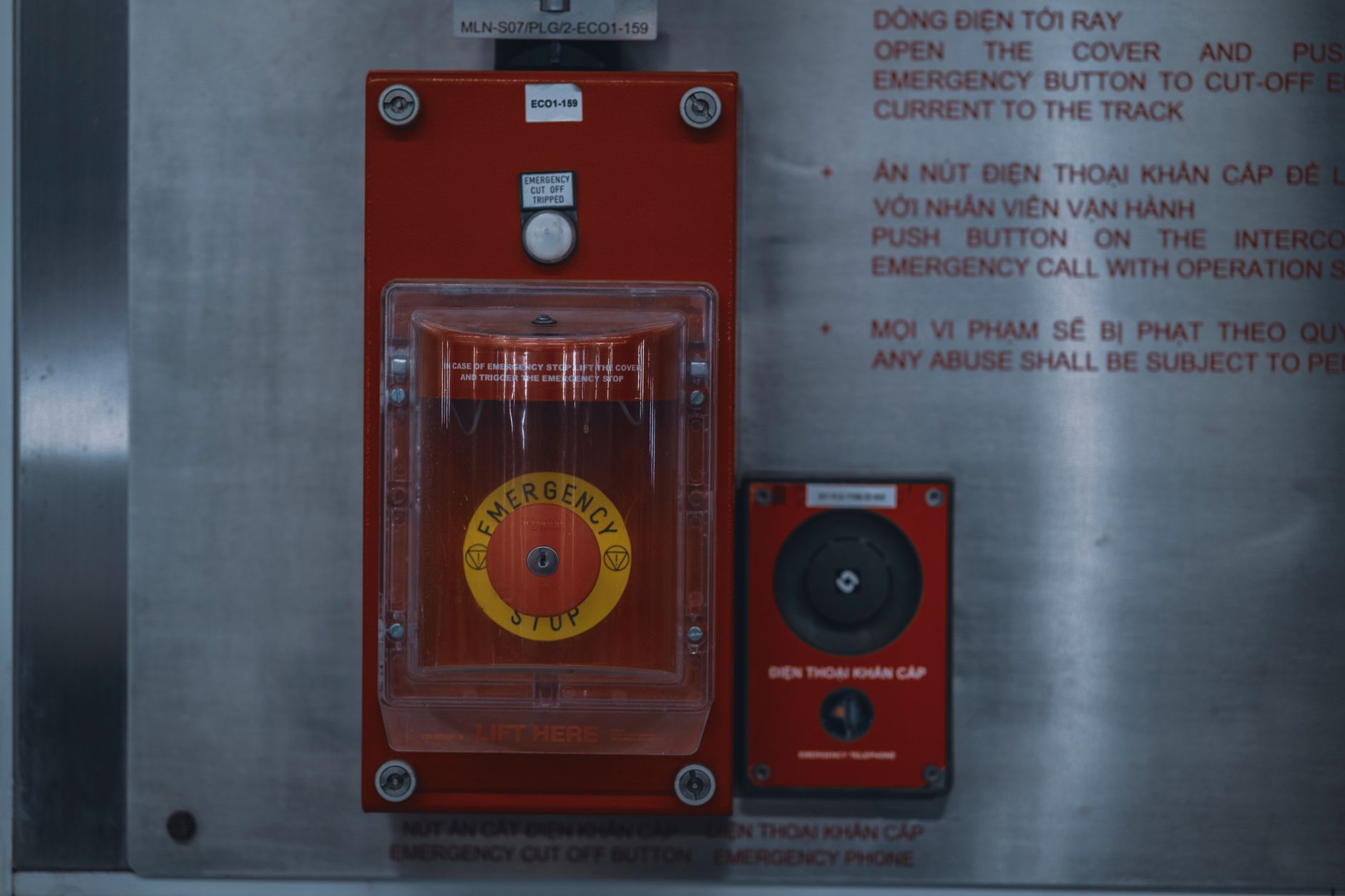
Effective guardrails start with scope limitation rather than capability expansion. Define specific tasks the agent can complete autonomously versus tasks that require human approval or intervention.
Monitoring systems should track decision accuracy and flag patterns that indicate the agent is operating outside its competency zone. Automatic escalation triggers prevent small errors from becoming systemic problems.
Regular audit cycles become essential for maintaining agent performance. Human review of agent decisions and outcomes should happen frequently enough to catch drift before it affects customer experience or business metrics.
The key insight: AI agents work best when deployed as sophisticated tools rather than autonomous systems, with human oversight built into the workflow rather than added as an afterthought.