
TL;DR
AI voice cloning tools have matured enough in 2026 that solo podcasters can now fix bad audio takes, generate multilingual versions of episodes, and produce filler-free narration without re-recording — but the same capability that saves hours of studio time is also creating real distribution and consent risks that no platform has fully resolved yet.
What Exactly Changed With AI Voice Cloning for Podcasters
The shift is not that voice cloning exists — it is that the quality floor has risen high enough that cloned audio is now passing listener ears without obvious artifacts. Tools including ElevenLabs, Resemble AI, and Descript’s Overdub have each pushed updates in 2026 that tighten prosody matching, meaning cloned speech now lands pauses, emphasis, and breath patterns in ways that earlier versions did not.
The company has not disclosed exact figures on how many podcasters are actively using cloned voices for production versus experimentation, but independent creator forums and Discord communities have seen a measurable uptick in threads about post-production clone workflows since early 2026. That signals a move from novelty to routine for at least a segment of working audio creators. It is not yet clear whether any major podcast hosting platforms have updated their terms of service to address cloned voice content uploaded without disclosure labels.

What This Breaks or Improves in a Real Podcast Workflow
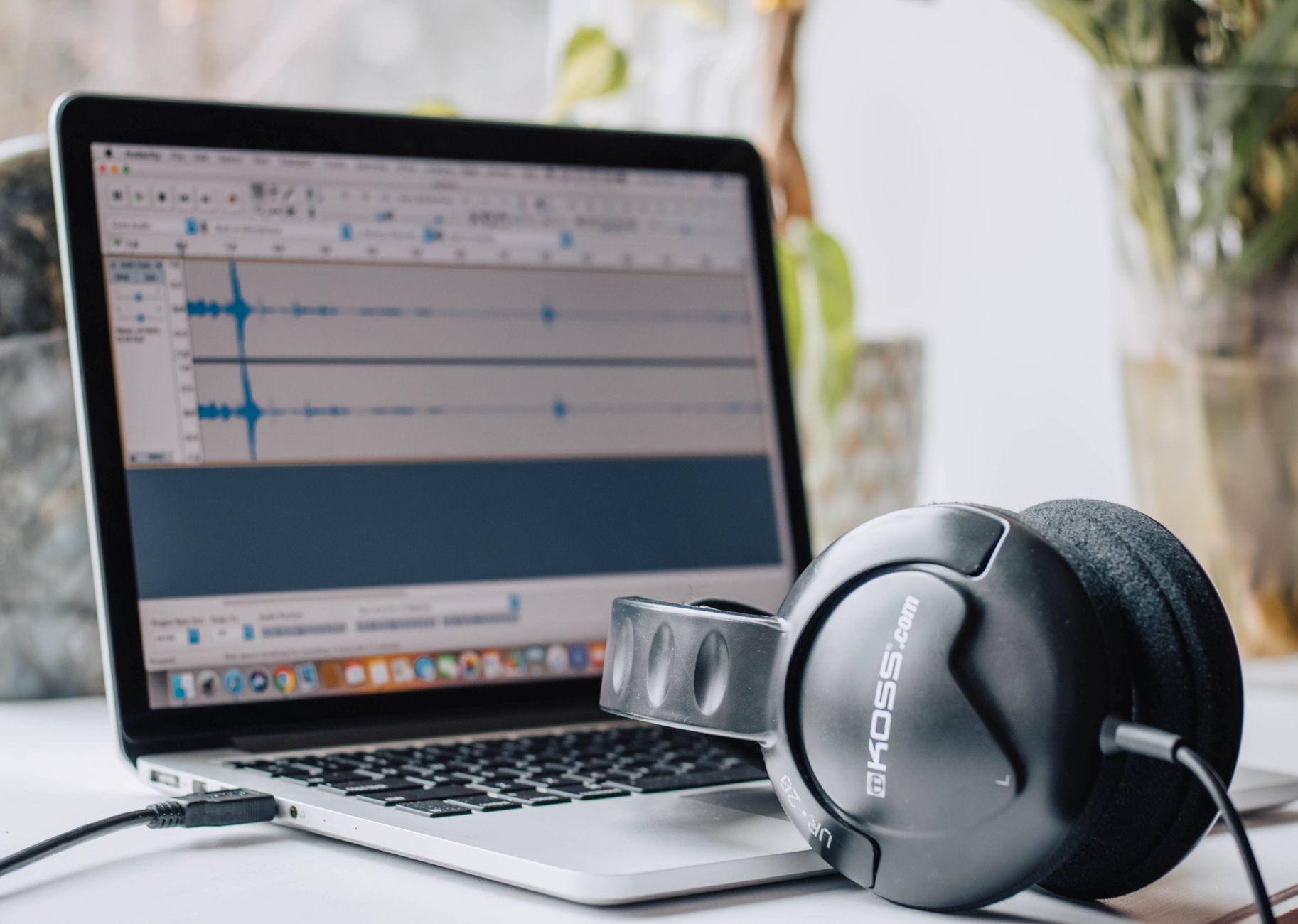
Here is the scenario that matters: you record a 40-minute solo episode, finish the interview, and realize three minutes in the middle are unusable — bad mic placement, a dog barking, a sentence you completely fumbled. Before voice cloning hit this quality level, you either re-recorded the whole segment, left it rough and hoped listeners tolerated it, or spent money on a session to punch in corrections. Now, with a trained clone of your voice inside a tool like Descript or ElevenLabs, you type the corrected sentence and render it directly into the timeline.
That specific fix — patch editing with cloned audio — is where the workflow improvement is sharpest and least controversial. The more ambitious use cases, like generating a full Spanish-language version of your English episode using your cloned voice, introduce a different set of problems: translation accuracy, audience expectation management, and the fact that your clone does not actually speak Spanish with the fluency your listeners associate with you. The time savings are real; the output quality tradeoffs depend entirely on how much your audience cares about authenticity versus convenience.
Who This Affects Most Right Now
Solo podcasters producing weekly or twice-weekly shows without a dedicated audio editor are the group with the most immediate upside. If you are spending two to four hours per episode on post-production and a meaningful chunk of that time is re-recording flubbed lines, voice cloning patch editing cuts that down significantly — provided you have already trained a clone on enough clean source audio, which typically requires 30 minutes to three hours of high-quality recordings depending on the tool.
Podcast networks producing shows in multiple languages are a second group where the workflow math changes fast. If you are managing localization across five episodes a week, synthetic voice generation from a clone is dramatically cheaper than hiring voice talent per episode — though the quality comparison against a fluent native speaker is not close enough yet to call it a full replacement. Freelance audio editors who charge for punch-in re-recording sessions are the group most directly disrupted; that specific service line is getting cheaper to DIY, and clients are noticing.
Podcasters with an established audience built on personal voice and intimacy should think carefully before using cloned audio for anything beyond technical repairs — listeners who feel deceived about what is real are vocal about it, and that trust damage moves fast.

What to Do Right Now
If you produce a solo podcast and you have not trained a voice clone yet, do it now with your current backlog of clean recordings — not because you need to use it immediately, but because the quality of a clone improves with more source material, and waiting until you have a specific need means starting from scratch under deadline pressure. ElevenLabs and Descript both offer clone training on paid tiers, and the training process itself takes less than a day once you have the audio files organized.
Check your podcast host’s current terms of service before using any cloned audio in a published episode. Spotify for Podcasters, Buzzsprout, and others have not published unified disclosure policies yet, but that is changing. Getting ahead of a potential policy violation is worth 15 minutes of reading now versus a takedown notice later.
Final Take
AI voice cloning for podcasters is genuinely useful in a narrow, specific way — patch editing and technical corrections — and genuinely risky in the broader applications that get the most attention. Solo creators who record frequently and hate re-recording sessions should be using this already. Anyone thinking about cloning their voice to scale content production without proportional effort needs to be honest with their audience about what they are publishing, because the consent and disclosure norms are still being written and the creators who got ahead of that conversation are in a better position than those who get caught behind it.
