
TL;DR
ChatGPT has begun serving ads inside its interface, confirmed by a high-traction Hacker News thread with over 400 points — which means the tool you have been using as a neutral drafting assistant is now a surface with commercial interests baked into its outputs.
What Exactly Changed in ChatGPT’s Ad Integration
The assumption that just broke: ChatGPT was a clean, prompt-in-answer-out tool with no third-party commercial pressure on what it surfaces. That is no longer a safe assumption.
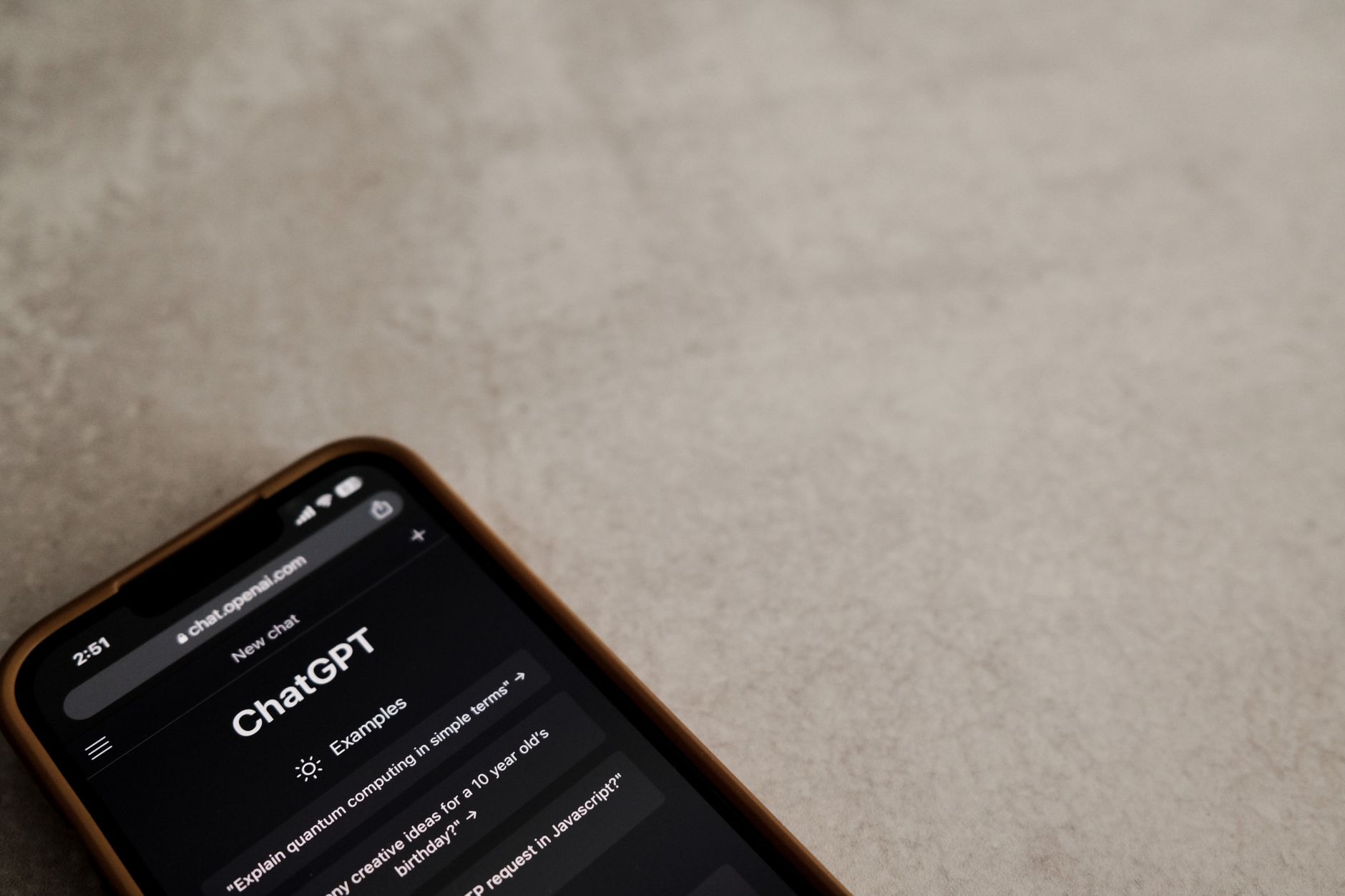
A high-engagement Hacker News thread — over 400 points at time of writing — confirms ChatGPT is now serving ads, with users observing sponsored placements appearing within responses or adjacent to them. OpenAI has not issued a detailed public breakdown of exactly how ads are selected, targeted, or labeled within the product. It is not yet clear whether ads appear for all users, only free-tier users, or across paid plans as well.
What is clear is that the mechanism exists and is live. The company has not disclosed exact figures on advertiser categories, revenue share structure, or how ad content is isolated — or not isolated — from the model’s generative responses. That ambiguity is the whole problem for working creators.
What This Breaks for Bloggers Drafting with ChatGPT
If you use ChatGPT to research products, compare tools, or draft recommendation content for your blog, your workflow now has a variable you cannot control. When you ask ChatGPT to help you write a roundup of email marketing tools and a sponsored result surfaces in that session — even adjacent to the response — you have no way to know whether the framing of the answer was shaped by that commercial relationship.
A blogger writing a “best AI tools for creators” post who drafts sections inside ChatGPT is now working with an assistant that has advertisers in the room. That is a concrete editorial integrity problem, not a theoretical one. If your audience trusts your recommendations because they believe your research is independent, using an ad-integrated tool as your primary drafting or research layer introduces a crack in that trust you cannot fully patch.
The practical damage is subtler than a fake recommendation. It is the possibility that ChatGPT’s language around certain products, categories, or services tilts in directions that serve advertisers without you — or the model — flagging it. You cannot audit that. You can only decide how much risk you are comfortable carrying into your content.

Who This Affects Most Right Now
Freelancers who bill clients for AI-assisted research and content are the most immediately exposed group. If a client later learns the tool you used to gather competitive intelligence or draft product comparisons runs advertiser-influenced outputs, that is a billable credibility problem. It does not matter whether the specific session was affected — the structure is now there.
Bloggers in affiliate-heavy niches — software reviews, tool comparisons, productivity gear — face the sharpest conflict. These are exactly the categories where advertisers want placement, and they are exactly the categories where your audience expects unbiased framing. The overlap is not coincidental and it is not comfortable.
Creators who use ChatGPT only for personal productivity tasks — generating email drafts, restructuring their own notes, brainstorming post ideas that never involve product categories — are the least affected group in the short term. If your ChatGPT use never touches commercial recommendations, the ad layer is mostly noise for now. That said, it is not yet clear whether ad influence is strictly contained to commercial queries or bleeds more broadly.

What to Do Right Now
Stop using ChatGPT as a research layer for any content where editorial independence is the product. That means any post, video script, or newsletter section where you are evaluating tools, comparing products, or making category recommendations to an audience that trusts you to be unbiased. Move that specific research step to a tool without ad integration — Claude, Perplexity on a paid plan, or your own source-first process — and use ChatGPT only for structural or stylistic work where commercial framing is irrelevant.
This is not about abandoning ChatGPT entirely. It is about being precise about where in your workflow commercial influence can do damage. Drafting a headline or tightening a paragraph carries no ad-integrity risk. Writing the section where you recommend a $500-per-year SaaS tool to 10,000 readers carries significant risk if your drafting assistant has undisclosed advertiser relationships in that product category.

Final Take
This matters more than most ChatGPT updates because it is structural, not cosmetic — OpenAI did not change a feature, they changed the incentive architecture of the tool. Bloggers and freelancers in recommendation-driven niches need to treat this as a workflow change they make this week, not a development they monitor. Creators who use ChatGPT purely for writing mechanics and never for product or category research can hold their current setup for now, but should watch closely for clearer disclosure from OpenAI on exactly how ad content interacts with model outputs — because that disclosure has not arrived yet, and that silence is itself a data point.