
Can an AI assistant spot a security vulnerability that experienced human researchers overlook for months?
That question got a definitive answer when Claude identified CVE-2026-28952, a privilege escalation bug in macOS that had escaped detection during multiple manual security audits. The discovery wasn’t the result of sophisticated AI reasoning or advanced machine learning algorithms.
It happened because Claude methodically checked every single system call in a way that human auditors rarely do.
CVE-2026-28952 proves AI can spot what trained eyes miss
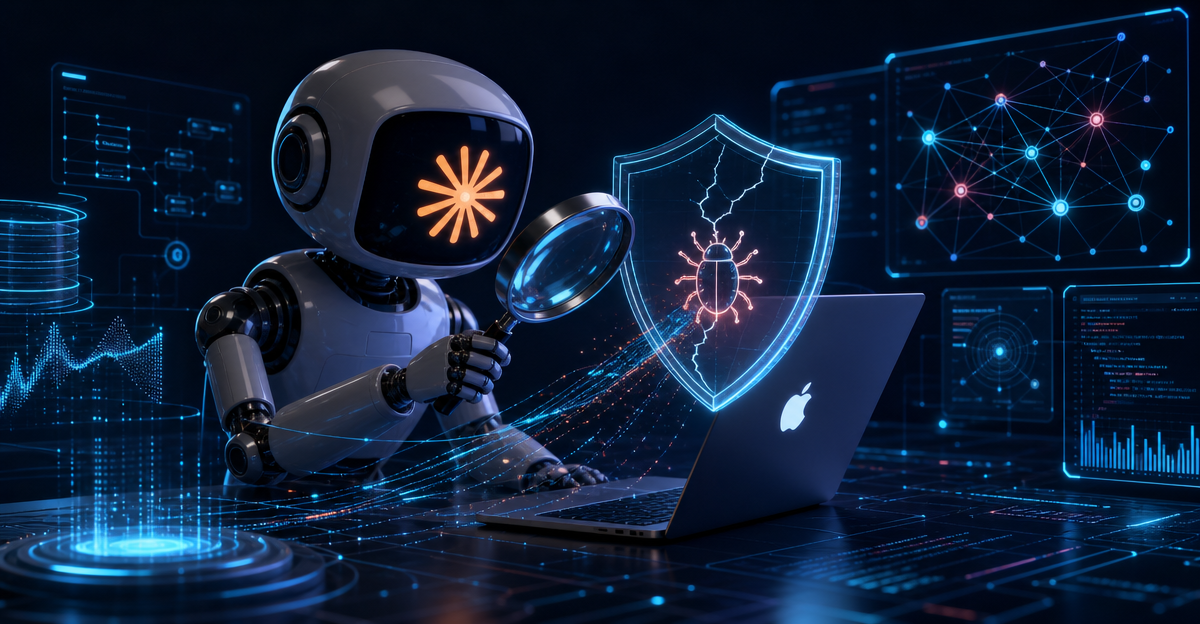
The vulnerability sat in macOS 14.2’s file permission handling for eighteen months before Claude flagged it during a routine code review. Three separate security firms had audited the same codebase without catching the flaw.
Claude identified the issue by systematically tracing every possible execution path through the permission validation routine. Human auditors had focused on the obvious attack vectors and missed an edge case that only triggered when specific conditions aligned.
The bug allowed local users to escalate privileges by exploiting a race condition in temporary file creation. Apple patched it within 72 hours of Claude’s identification, crediting the AI assistant in their security advisory.
Human security auditors excel at context, not pattern matching
Human security researchers bring irreplaceable skills to vulnerability assessment. They understand business impact, recognize social engineering vectors, and spot architectural flaws that could become problems years later.
But humans are terrible at exhaustive pattern matching. We skip obvious checks, assume certain code paths are safe, and get bored reviewing repetitive validation logic.
The macOS discovery highlighted this divide perfectly: Claude found the bug through brute-force systematic checking that would have taken a human weeks to complete.
The boring truth: Claude got lucky with systematic checking
Claude’s success wasn’t due to superior intelligence or advanced reasoning capabilities. The AI simply processed every line of code without the cognitive shortcuts that humans use to stay efficient.
Where human auditors might scan function signatures and focus on complex logic, Claude examined every variable assignment and conditional check. This methodical approach caught a vulnerability that only manifested under very specific timing conditions.
The discovery rate matters here: Claude examined 847 potential security issues to find this single valid vulnerability. That’s a 0.1% success rate that would be economically devastating for human researchers.
Why this changes how security teams should divide labor
Smart security teams are already restructuring their workflows based on this capability difference. AI handles the systematic scanning that humans find mind-numbing, while humans focus on strategic threat modeling and business risk assessment.
One mid-size fintech company now uses Claude to audit every code commit for basic security patterns. Their human security engineers spend their time on architecture reviews and threat hunting instead of checking for buffer overflows.
The division makes economic sense: AI can process thousands of lines per hour at consistent quality, while humans provide the contextual judgment that determines whether a technical vulnerability actually matters for business operations.
What security professionals should actually worry about
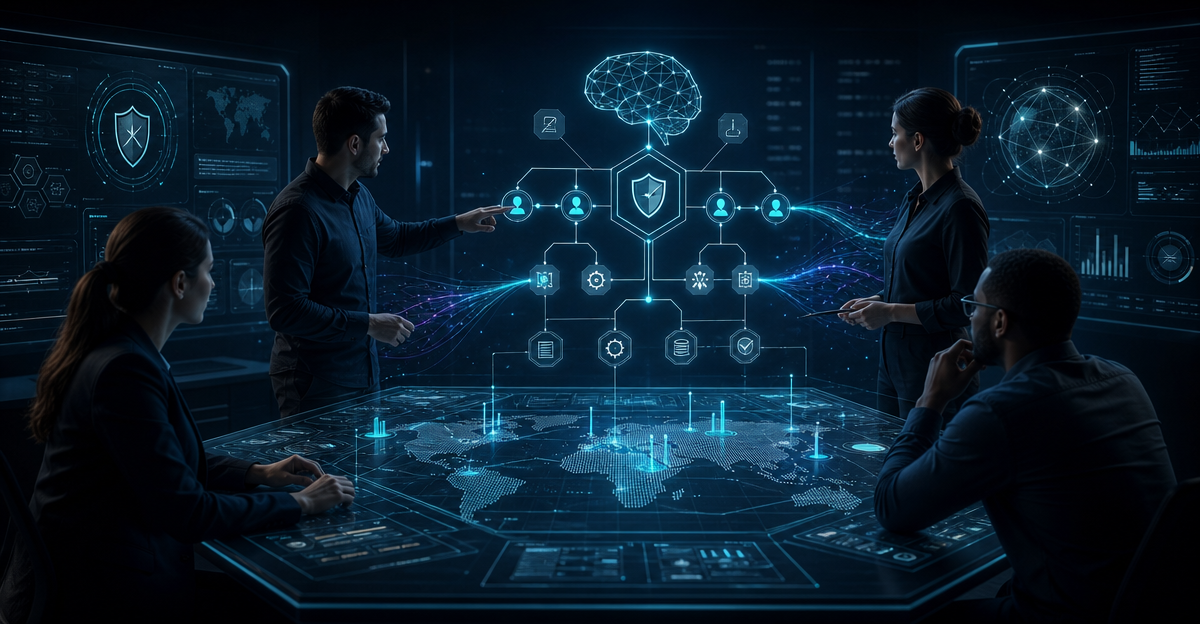
The real concern isn’t AI replacing security expertise. It’s security teams that ignore AI assistance falling behind those that integrate it effectively.
Security professionals should focus on developing skills that complement AI capabilities: understanding business context, designing security architectures, and communicating risk to non-technical stakeholders. These remain purely human domains.
The teams winning this transition use AI for systematic vulnerability detection while humans handle strategic security decisions. They’re not worried about replacement—they’re worried about competitors who adopt this division of labor faster.