
I’ll cut through the endless AI content tool recommendations and show you exactly when to use AI content ideas versus when your audience data matters more.
Most creators treat AI like a magic idea machine, feeding it vague prompts and wondering why the output feels like every other blog post in their niche. The problem isn’t the AI — it’s the backwards workflow that treats audience insights as optional.
Here’s what changes everything: AI should validate what you already suspect about your audience, not generate ideas from scratch.
Why Most AI Content Ideas Feel Generic (The Pattern Problem)

AI content generators pull from the same training data everyone else uses. When you ask ChatGPT for “blog post ideas for small business owners,” you get the same ten topics that have been recycling through content marketing blogs since 2019.
The pattern problem gets worse when creators skip the audience research step entirely.
Your audience has specific pain points that generic AI prompts miss completely. A freelance graphic designer’s version of “client management struggles” looks nothing like a consultant’s version, but AI treats them as the same topic without additional context.
The generic output problem compounds when you’re competing against other creators who used identical prompts. Your content blends into a sea of similar headlines because the AI never learned what makes your audience different.
The Right Way to Prompt for Content Ideas That Actually Work
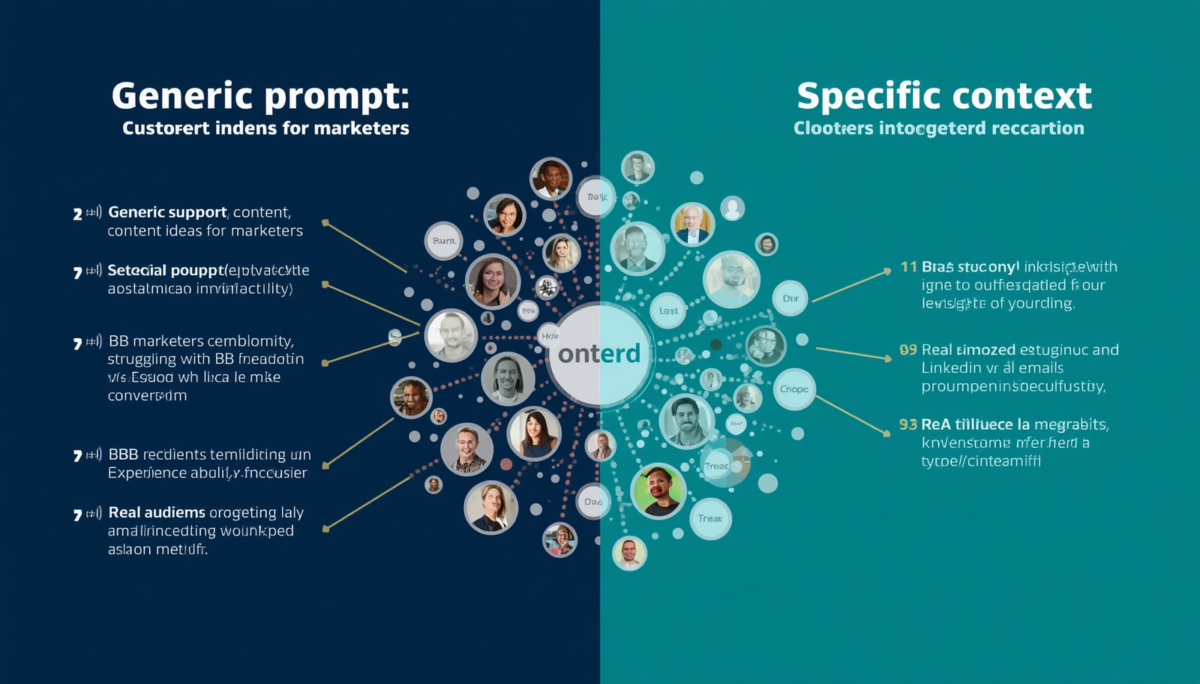
Start with what you already know about your audience before touching any AI tool. Pull recent comments, customer support emails, or community questions from the last month.
Feed that specific context into your prompts. Instead of “content ideas for marketers,” try “content ideas for B2B marketers who keep getting asked why their LinkedIn campaigns aren’t converting like their email campaigns.”
The difference in output quality jumps immediately when your prompts include real audience language. AI generates ideas around actual problems instead of assumed problems.
Layer your prompts with constraints that matter to your audience’s situation. Include their experience level, industry context, and the specific outcomes they’re trying to achieve. Generic prompts create generic content. See how solo creators use AI automation to save time while keeping content quality high.
When to Ignore AI Suggestions and Trust Your Audience Data Instead

AI suggestions break down completely when your audience experiences something the training data doesn’t cover well. New industry regulations, emerging platform changes, or recent market shifts won’t show up in AI recommendations.
Your audience data beats AI when you notice the same question appearing across multiple touchpoints. If three people asked about the same specific problem this week, that’s your next content topic regardless of what AI suggests.
Seasonal patterns in your audience behavior trump AI suggestions every time. AI doesn’t know that your audience stops engaging with certain content types during their busy season, but your analytics do.
Trust your data when AI keeps suggesting topics you’ve already covered extensively. AI doesn’t track your content history automatically — it will suggest the same evergreen topics repeatedly.
How to Turn AI Brainstorms Into Content Your Audience Actually Wants
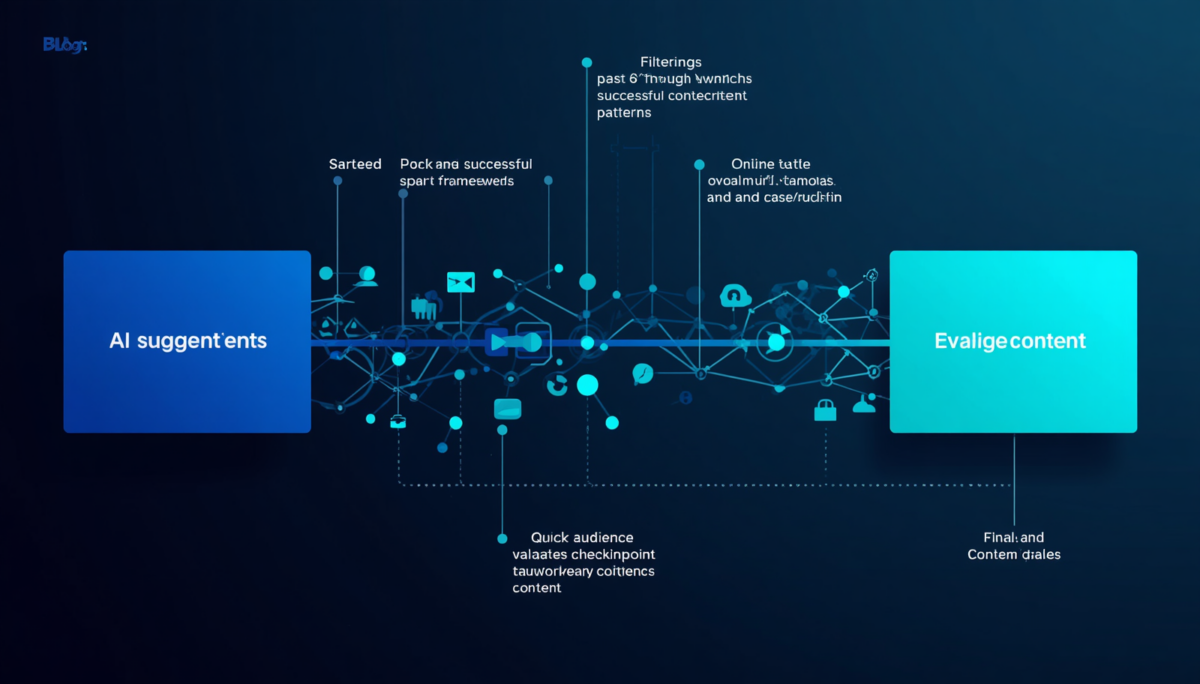
Take AI suggestions as starting points, not finished ideas. Use the AI output to spark connections you might have missed, then filter everything through what you know about your audience’s current situation.
Test AI suggestions against your most successful content from the past six months. Look for patterns in format, depth level, and specific angle that your audience consistently engages with.
Combine multiple AI suggestions into something more specific to your niche. Take the general framework from AI and layer in examples, case studies, or applications that your audience actually encounters.
Validate AI suggestions with a quick audience check before investing time in content creation. Drop the idea into your community, social media, or email to gauge interest before writing the full piece. Check out how creators actually use AI tools in their workflow for real-world examples.
The 3-Tool Stack That Beats ChatGPT for Content Planning
ChatGPT works for general brainstorming, but specialized tools deliver better results for content creators with established audiences.
| Tool | Best For | Why It Works |
|---|---|---|
| AnswerThePublic | Finding actual search queries | Shows real questions people type, not AI assumptions |
| BuzzSumo | Content gap analysis | Reveals what’s working in your niche right now |
| Your analytics platform | Audience behavior patterns | Shows what your specific audience engages with |
AnswerThePublic captures the exact language your audience uses when searching for solutions. This beats generic AI suggestions because you see real search intent, not predicted topics.
BuzzSumo shows you content performance across your niche, helping you spot opportunities AI might miss. You can see which angles are oversaturated and which gaps exist in current content.
Your existing analytics platform contains the most valuable data for content planning. Audience behavior, engagement patterns, and conversion data from your actual readers beats any AI prediction.
Start with one week of tracking which content questions come directly from your audience versus which come from AI suggestions — the difference in engagement will show you exactly when to trust each source.
✍️ Optimize Your Content with NeuronWriter
The SEO tool that helps you hit top rankings with data-driven content scoring.